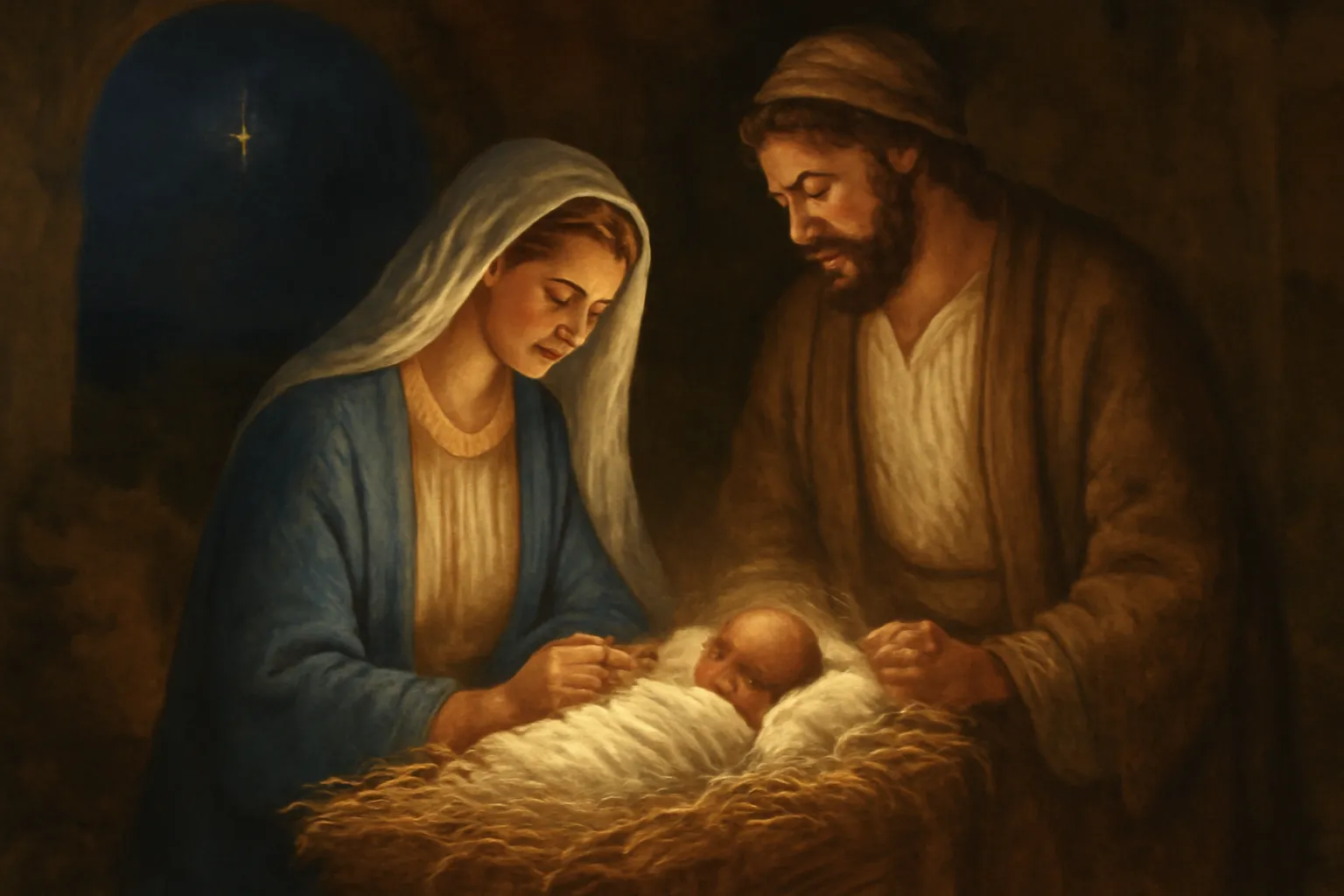
The phrase “Bible Verse Christ Was Born” points to a foundational moment in Christian faith: the nativity of Jesus as it is described in Scripture. The birth of Jesus is not a single verse but a tapestry woven from multiple Gospel accounts, prophetic words from the Old Testament, and the poetic rhymes of early Christian theology. In this extensive exploration, we will trace how the birth of Christ is presented in the Bible, examine key passages from Matthew, Luke, and John, consider the prophetic foundations that point to the coming Savior, and reflect on what the Incarnation means for faith, worship, and daily life. We will use variations of the phrase “Christ was born” and related expressions to illuminate the range of biblical language surrounding this sacred event.
The Nativity Narratives: An Overview of how Christ was Born in Scripture
The Bible presents the birth of Jesus in several complementary ways. While the exact details differ between accounts, the essential message remains consistent: a divine initiative meets human need in a human life. The events center on a manger in Bethlehem, the engagement of Mary and Joseph, the recognition of Jesus by shepherds and then some wise visitors, and the broader significance that God is fulfilling promises to his people. In this section, we will outline the primary strands: the Matthean portrayal of the birth and early life, the Lucan account with its emphasis on annunciation and shepherds, and the Johannine proclamation of the Word becoming flesh as the ultimate expression of Christ’s birth in the world.
Matthew’s Account: The Birth of Jesus in Bethlehem and the Early Adoration
Matthew 1:18–25: The Virgin Birth and the Call to Faithful Obedience
The Gospel of Matthew opens with a focus on Jesus’ legal lineage and the divine orchestration surrounding his birth. In Matthew 1:18, the evangelist emphasizes that Christ was born of Mary by the work of the Holy Spirit, and that Joseph’s response is guided by a dream from an angel. This narrative anchors the birth of Jesus in a context of righteousness, obedience, and fulfillment of prophecy. A central moment is Matthew 1:23 (quoting the prophecy from Isaiah), which says: «Behold, a virgin shall be with child, and shall bring forth a son, and they shall call his name Emmanuel, which being interpreted is, God with us.» The claim that Jesus is named Immanuel—“God with us”—frames the entire gospel of the birth as a divine visitation to humanity.
Virgin birth and divine paternity: Matthew emphasizes the miraculous conception and the intervention of God in human history.
Joseph’s righteousness and obedience: Joseph’s decision to take Mary as his wife after the dream demonstrates trust in God’s plan.
Fulfillment of prophecy: The narrator continually points to Old Testament fulfillment as the birth narrative unfolds.
Messianic expectation: The birth of Jesus is presented as the dawning of a new era in which the long-awaited Savior enters the world.
Matthew 2:1–12: The Visit of the Magi and the Adoration of the Child
In Matthew’s account, the birth of Christ moves beyond Bethlehem to include the significance of foreign recognition. The Magi arrive, guided by a star, to pay homage to the newborn King. Their journey demonstrates that the birth of Jesus has universal implications, inviting people from every nation to acknowledge him. The Magi present gifts—gold, frankincense, and myrrh—a set of symbols that foreshadow Jesus’ kingship, the divine nature of his mission, and the suffering he would endure.
The encounter with Herod reveals the peril surrounding the birth of Christ and the need for divine protection.
Joseph again acts with obedience, taking Jesus and his mother to Egypt to escape danger, underscoring the theme of divine guidance in the early life of the Savior.
The response of the Magi—>awe, worship, and reverent reception of the child—highlights the proper posture toward the incarnate Son of God.
Luke’s gospel begins with the annunciation, placing the birth of Christ within the intimate life of Mary. In Luke 1:26–38, the angel Gabriel declares to Mary that she will conceive a son by the Holy Spirit, and she responds with faith. The phrase “Let it be to me according to your word” (paraphrased in many translations) expresses total trust and surrender. This section intensifies the human dimension of the birth of Jesus, showing how God chooses a young woman to participate in his redemptive plan.
Divine initiative and human response: Mary’s faith is central to Luke’s portrayal of the birth of the Messiah.
Angelic proclamation: The message frames the birth as good news for all people.
Honor and humility: The ordinariness of Mary’s social context contrasts with the extraordinary nature of God’s plan.
Luke 2:1–7: The Birth in Bethlehem
Luke continues with a historical setting: “And it came to pass in those days, that there went out a decree from Caesar Augustus, that all the world should be registered.” Joseph and Mary travel to Bethlehem, and there the birth of Jesus occurs. Luke emphasizes the absence of fanfare and the simplicity of the scene: the baby is laid in a manger because there is no room in the inn. This humble setting is deliberate and theologically significant: the birth of Christ happens in the most ordinary circumstances, signaling that God’s kingdom enters human history not through power and display but through vulnerability and grace.
Humility of the incarnation: A newborn child, wrapped in swaddling clothes, lies in a manger—an image of accessibility and mercy.
Historical conscience: The narrative sits within a concrete imperial census, reminding readers that God works through real-world events.
Luke 2:8–20: The Shepherds and the Angelic Witness
The shepherds represent the first human witnesses to the birth of Jesus in Luke’s account. An angel appears, proclaims glad tidings of great joy, and directs the shepherds to find the baby in Bethlehem. When the shepherds encounter the infant and depart, they glorify and praise God for the birth of Christ and the revelation of divine mercy to ordinary people. Luke’s emphasis on the shepherds underscores the accessibility of Christ’s birth and the message that the Savior is born for all, not only for the elite or the temple elite.
Public proclamation: The birth is announced to humble workers first, signaling universal invitation.
Responsive worship: The shepherds’ response models a proper posture of awe, gratitude, and worship when encountering the incarnate Son.
Luke 2:25–38: Simeon and Anna in the Temple
As Jesus is dedicated, Luke adds the temple narratives, highlighting the recognition of Jesus’ significance by faithful witnesses. Simeon calls Jesus “a light for revelation to the Gentiles” and “the glory of your people Israel”, while Anna worships and speaks of him to all who were waiting for redemption. These scenes orient the birth of Christ toward the universal scope of salvation and the fulfillment of God’s promises to both Jews and Gentiles.
Recognition and proclamation: The temple witnesses affirm that the birth of Jesus marks a pivotal moment in salvation history.
Hope fulfilled: The faithful longings of Simeon and Anna meet the reality of the infant Jesus, whom they recognize as the long-awaited Messiah.
John’s Prologue: The Word Became Flesh and Dwelt Among Us
John 1:1–14: The Word, Life, and the Incarnation
John presents a different but complementary angle on the birth theme. While Matthew and Luke narrate the earthly birth of Jesus, John speaks of the eternal preexistence and the intimate embodiment of God in human history. The famous declaration that “the Word was made flesh, and dwelt among us” (often rendered as “the Word became flesh and dwelt among us”) positions the birth of Christ within the cosmic act of creation, glorification, and revelation. John’s language emphasizes that the incarnation is not merely a historical event but the divine self-revelation of God in a human life.
Preexistence and creation: A deeply theological framing of the birth as the manifestation of the eternal Word in time.
Incarnation as grace and truth: The incarnation unveils God’s character in a tangible, approachable way.
Beholding his glory: The witness of the Word’s life invites belief and transformation for all who encounter him.
Prophetic Foundations: Foretelling the Birth of the Messiah
The nativity is not an isolated occurrence but the culmination of long prophetic expectancy. Old Testament prophecies provided the vocabulary and the hope for the birth of the Messiah, and the Gospel writers repeatedly cite or allude to them to show that Christ was born as the fulfillment of God’s promises.
Isaiah 7:14: “Behold, a virgin shall conceive and bear a son, and shall call his name Immanuel.” This verse directly informs Matthew’s quotation in 1:23 and anchors the birth narrative in a larger story of God’s presence with his people.
Isaiah 9:6: “For unto us a child is born, unto us a son is given… and his name shall be called Wonderful Counselor, the mighty God, the everlasting Father, the Prince of Peace.” The christological horizons of the birth are broadened by this royal and divine description.
Micah 5:2 (and related prophetic material): The birthplace of the coming ruler is identified as Bethlehem, a small place with a monumental theological significance in the narrative of the birth of Christ.
In the Gospel narratives, these prophecies are cited or reflected in contexts where the events of the birth are interpreted as the fulfillment of God’s plan. The phrase “birth of the Messiah” becomes a lens for reading the episodes surrounding Jesus’ entry into the world.
Theological Significance of the Birth: Core Themes
The biblical accounts of Christ’s birth carry themes that shaped early Christian theology and continue to shape Christian devotion today. Several key ideas recur across the gospel narratives and the broader New Testament, including the following:
Incarnation: The central claim that God became human in Jesus. This moves the divine from transcendent otherness to approachable solidarity with humanity.
Emmanuel: The designation that God is “with us” through the birth, life, death, and resurrection of Jesus. The name itself summarizes the meaning of the Incarnation.
Humility: The circumstances surrounding the birth—humble surroundings, ordinary attendants, and a dependent newborn—underscore the way God chooses to reveal power through weakness.
Glory with grace: The shepherds’ and wise men’ responses demonstrate that the birth invites worship, praise, and costly devotion to the infant Savior.
Universality: The birth is an event for all nations, not only a single culture or people; this is reflected in the Magi’s journey and the shepherds’ witness in Luke’s account.
Practical Reflections: How to Read and Apply the Birth Narratives
As readers today, we are invited to encounter the birth of Christ not merely as ancient history but as a living invitation to respond with faith, worship, and transformation. Here are some practical ways to engage with the Christmas narratives and the broader theme that Christ was born.
Worship through contemplation: Allow the majesty and mystery of the Incarnation to draw you into prayer, gratitude, and adoration.
Imitation of humility: Reflect on the humility of the Virgin Mary and the poverty of Jesus’ birth as a model for a life of service and grace.
Recognition of God’s faithfulness: See the birth narratives as a testimony to God’s faithfulness to his promises across generations.
Hospitality to all: The universal significance of the birth invites hospitality to those on the margins, like shepherds, travelers, and strangers encountering the love of Christ.
Integration of belief and action: Let the theology of the Incarnation shape ethical choices, compassion, and a commitment to justice and mercy in the world.
Common Variations in Language: How Different Translations and Sermons Speak of the Birth
To honor the semantic breadth of Scripture, readers often encounter a variety of phrases that all point toward the same event: the birth of Jesus, the birth of Christ, the Nativity, and the Incarnation. Some common expressions you may encounter in study materials, sermons, and devotional guides include:
“Christ was born” (emphasizing the identity of Jesus as the Messiah from birth).
“Jesus was born” (emphasizing the personal name and mission).
“The birth of the Savior” (highlighting Jesus’ role in salvation).
“The birth of the Messiah” (emphasizing Messianic expectation fulfilled).
“The Word became flesh” (John 1:14, focusing on the theological dimension of the Incarnation).
These variations are not contradictions but different angles on the same divine event. Reading across the Gospels helps readers appreciate how each author contributes a unique perspective to the grand story of God with us.
What does the virgin birth teach us about God’s sovereignty and human agency?
How do the different settings (Bethlehem, Nazareth, Egypt) illuminate the scope of Jesus’ mission?
In what ways does the incarnation affect your understanding of worship, mercy, and justice?
Why is it significant that the birth narratives include both humble shepherds and visiting Magi?
How does John’s prologue, with its emphasis on the Word becoming flesh, deepen or broaden our sense of what it means for Jesus to be God and man?
Further Reading and Resources for Deeper Study
For readers who wish to deepen their study, consider the following avenues:
Study guides that compare the nativity accounts in Matthew and Luke side by side, highlighting thematic correspondences and contrasts.
Commentaries on the Incarnation and on the Gospel of John’s prologue, exploring the theological significance of the Word becoming flesh.
Devotional books that use the birth narratives to invite reflection on grace, mercy, and peace in daily life.
Lectures or sermons on the prophecies cited in the birth narratives, illuminating how prophecy and fulfillment shape Christian preaching.
Concluding Thoughts: What It Means That Christ Was Born
Across the four canonical Gospels and the sweeping testimony of the Old Testament, the birth of Jesus emerges as a decisive turning point in God’s relationship with humanity. The expressions “the birth of Christ,”“Jesus is born,”“the Word became flesh,” and other variants all converge on a single truth: God has entered into human history in a concrete, personal, and transformative way. The Emmanuel claim—“God with us”—is not merely an ancient memory but a living invitation to encounter the living Christ, to trust his promises, and to live in light of the love he demonstrates through his birth, life, death, and resurrection. By exploring these verses with care, readers gain not only knowledge about a historical event but also a transformative perspective on the meaning of life, community, and faith under the sovereignty of God who chose to be born among us.