Does the Bible Say Tithe 10 Percent? A Biblical Tithing Guide
The question “does the Bible say tithe 10 percent?” is one that appears frequently in discussions about faith, finances, and church life. For many readers, the idea of a fixed ten percent tithe feels like a clear, practical rule. For others, the topic is more nuanced: the Bible speaks of giving and support for God’s work, but the exact percent can seem less fixed and more contextual. This guide aims to present a broad, careful overview of what the Bible says about tithing, where the ten percent figure comes from, how it functions in both Old Testament and New Testament contexts, and how modern believers can approach giving with understanding and integrity.
What is a Tithe? Biblical context
In biblical terms, a tithe is a portion set apart for the service of God and support of the spiritual leadership and the people who carry out ministry and temple/market functions. The word itself comes from the idea of one-tenth, but the way the concept was practiced in ancient Israel included several different offerings at different times and for different purposes.
The Levitical tithe: A law-based tithe given to support the Levitical priesthood, who had no regular land inheritance and thus relied on the tithes to sustain their work in the sanctuary. This was commonly understood as roughly ten percent of agricultural produce or livestock (though the exact figure is tied to agricultural cycles and the Hebrew calendar).
The city/temple tithe: Some years, tithes were directed toward festivals, communal meals, and the maintenance of worship spaces, which required financial and material resources beyond the basic Levitical stipend.
The third-year tithe and other designated tithes: In some periods of Israel’s history, people stored up or gave a tithe in certain years for the poor and for those who traveled long distances to worship.
Taken together, the biblical framework presents tithing as a structured system designed to support the religious life of the community, including priests, temple activities, and the needy. It is not simply a *private tax* but part of a larger covenantal economy where generosity sustains worship, social welfare, and the proclamation of God’s law.
Does the Bible say tithe 10 percent? Old Testament references and the rationale for “ten percent”
A common question is whether the tithe in Scripture is consistently a ten percent amount. The answer is nuanced:
Leviticus 27:30 states that a tithe is “holy to the Lord” and that the tithe of the land—whether seed of the land or fruit of the trees—is part of God’s ownership. This passage is frequently cited as the foundational statement for a ten-percent giving idea in biblical budgeting, though it refers to the act of giving a tenth rather than detailing a universal law beyond the Old Covenant context.
Numbers 18:21-24 describes the tithe given to the Levites who perform official duties in the sanctuary, serving as a support structure for spiritual leadership. In this system, the people’s annual return of a tenth helped sustain those who ministered and taught the people’s spiritual life.
Deuteronomy 14:22-29 outlines the annual tithe, including provisions for those who travel to worship and for distributing food in the presence of the Lord, especially in religious gatherings. This broad sense of the tithe shows that not every use of the tithe maps to a single fixed percent for every single generation, but rather a recurring, covenantal practice tied to the agricultural year.
Malachi 3:8-12 rebukes the people for robbing God by withholding tithes and offerings, yet it also presents the tithe as a way to receive blessing when practiced faithfully. This passage influences later interpretation and church teaching about the moral and spiritual stakes of giving, while not necessarily presenting a modern, fixed target for all believers today.
From these passages, many scholars affirm that the Old Testament did teach a tithe as a meaningful share of one’s income or yield, commonly understood as a ten percent figure in practice. However, it is important to recognize that the biblical text is describing a covenantal system in a specific historical and cultural setting. The exact requirement, when taken as a universal rule for every era and every type of income, is not as explicit as modern readers sometimes assume.
New Testament perspective: Is the tithe still binding in Christ’s church?
The central message of the New Testament shifts from rule-keeping as a covenant marker to a life shaped by the gospel, guided by the grace of giving. This leads to an important distinction: the tithe as a legal requirement versus generous, voluntary giving as a spiritual discipline for Christians.
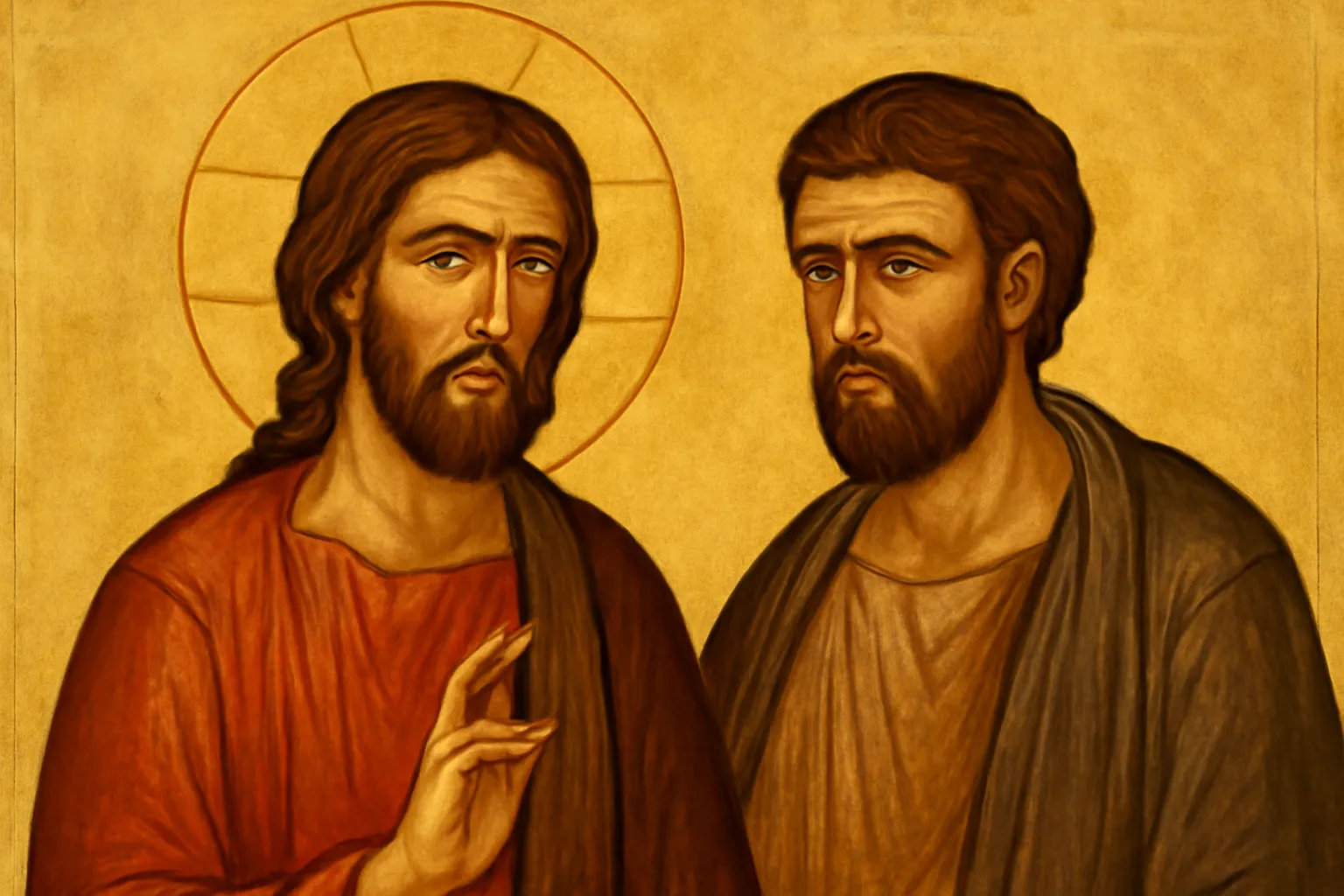
Jesus and tithing: In Matthew 23:23, Jesus affirms tithing on small herbs like mint and dill but condemns neglect of the more weighty matters of the law—justice, mercy, faith. This indicates that tithing was present in the religious life but is not presented as the sole or ultimate measure of faithfulness. The emphasis is on heart posture and justice as the greater aim.
Paul and giving: The apostle Paul teaches about generous giving characterized by willingness and cheerfulness (2 Corinthians 9:6-7). He frames giving as a response to God’s grace, not as a ritual requirement. He also advocates proportional giving that reflects each person’s means.
Christian freedom and stewardship: The New Testament emphasizes freedom in Christ, with guidance to steward resources wisely. The specific 10-percent target is not repeated as a universal command but many Christian traditions use it as a practical starting point for discipline and budgeting.
Values over percentage: The New Testament repeatedly stresses the importance of generosity, care for the poor, and support for ministry, often focusing on the impact and attitude more than on meeting a fixed numeric target.
In light of these contrasts, many readers understand the tithe in the New Testament era as part of a broader ethos of generous giving that is guided by grace and needs, rather than a mandatory percentage dictated by Mosaic law. Still, some churches teach tithing at ten percent as a practical discipline that aligns with biblical precedent and offers a reliable framework for budgeting, while others encourage flexible, proportionate giving based on circumstance and conviction.
How much should a modern believer give? A practical guide
For contemporary readers, the question “how much should I give?” often arises in the context of personal finances, family responsibilities, and church life. Here are practical considerations to help guide thoughtful giving:
Begin with a baseline: Many Christians start with the traditional tithe (10 percent) as a baseline and then move toward greater generosity as finances allow.
Budget first: Include charitable giving in your budget after essential expenses. A defined percentage can be easier to maintain, but the priority is consistent generosity aligned with your means.
Proportional giving: If 10 percent is difficult, consider proportional giving: increase the share as income grows, and give steadily even when money is tight.
Prioritize needs: Ensure that your giving supports both your local church and other gospel-centered ministries or humanitarian efforts, while also meeting your household responsibilities.
Cheerful giving: The heart behind giving matters. The Bible describes generosity as a joyful response to God’s grace (2 Corinthians 9:7).
Transparency and accountability: In family or church contexts, seek clear communication about how funds are used, and consider creating a plan or budget that reflects your values.
A practical plan could look like this: set a monthly gift target (often starting with 10 percent or a similar figure), automate contributions if possible, review your giving annually, and adjust as circumstances change. Some believers find it helpful to set up a separate fund for special offerings beyond the regular tithe, such as missions or disaster relief.
Common questions and misconceptions
This section addresses frequently asked questions about tithing and helps distinguish between biblical teaching and traditional or cultural expectations.
Is tithing required for Christians today? The New Testament does not present a universal legal mandate that applies to all believers in all contexts. Instead, it emphasizes generous, willing giving that supports the church and the poor. The exact percentage is not universally mandated in the early Christian writings.
What about Old Testament laws vs. grace? The Old Testament presents tithes within a covenantal framework. The New Testament emphasizes grace and freedom in Christ, guiding believers toward generous giving rather than a fixed legal requirement. Some traditions hold that the tithe remains a helpful historical guide, while others urge flexible, voluntary giving based on stewardship and need.
Do all types of income count as tithe? In biblical times, tithes were often agricultural or produced from the land. Modern income includes wages, investments, and other sources, and many readers interpret tithing today as applying to gross or net income as a personal decision or church guidance, rather than a direct one-to-one mapping from ancient practice.
Is giving to the church the same as tithing? Giving to a local church is a major way many believers participate in tithing today, but believers may also support other ministries, missions, or relief efforts. The principle is to contribute to the needs of the church and the spread of the gospel with a generous heart.
Historical and cultural context: tithes in Israel and the church today
Understanding the historical context helps clarify why the topic can be confusing. In ancient Israel:
The temple system depended on tithes to sustain priests, temple services, and religious festivals.
Communal life and agriculture shaped how money and goods were exchanged, stored, and distributed through tithes.
There were multiple tithes and offerings across the year, and some of these tithes supported social welfare or hospitality for the poor, travelers, and annual festivals.
In contrast, the church today operates in a different social and economic framework. The mission remains the same in spirit—supporting the gospel, caring for the poor, and enabling ministry—but the structural mechanics have shifted. Some churches maintain a tithe-based discipline as a practical guide for budgeting, while others emphasize generous, voluntary giving as the core ethic, with percentage targets incorporated as pastoral guidance rather than legal obligation.
Whether you are asking “does the Bible require a ten percent tithe?” or simply seeking to align your finances with faith, here are practical steps that can help:
Set a personal or family giving goal that reflects your means and convictions. The target could be 10 percent, a different percentage, or a fixed monthly amount.
Include giving in your budget, not as an afterthought. Consider it a non-negotiable line item alongside housing, food, and debt payments.
Review and adjust your giving annually or biannually in light of changes in income, expenses, and spiritual priorities.
Consider the impact: Support churches, missions, and charitable organizations that teach the gospel, demonstrate compassion, and demonstrate integrity in how funds are used.
Balance generosity with stewardship: It is wise to maintain financial health for your family, save for emergencies, and avoid debt, while still embracing generosity.
A thoughtful, biblically-rooted approach to giving
The question “does the Bible say tithe 10 percent?” has no single, universal answer that applies identically to every era and culture. The Bible presents tithing as a meaningful practice within the Old Covenant, with a clear emphasis on worship, priestly support, and care for the poor. The New Testament shifts focus toward the heart of generosity—cheerful, voluntary giving motivated by grace—while acknowledging the ongoing value of generous support for the community of faith. For modern believers, the guiding principle is not merely to hit a percentage but to cultivate a life of faithful stewardship, where giving reflects gratitude to God, compassion for others, and responsible management of all resources.
If you are asking “is ten percent the standard tithe for today?”, you may find that your answer depends on your tradition, your church’s teaching, and your personal convictions about biblical interpretation. Regardless of the exact figure, the biblical message remains clear: give generously, purposefully, and with a joyful heart, so that God’s work can be advanced, the needy supported, and the community strengthened.
As you consider tithing and offerings in your life, remember the core themes the Bible consistently raises: faithfulness, integrity, and love. Whether you choose to follow a 10% target, a different percentage, or a flexible proportional approach, let your giving be shaped by a thoughtful understanding of Scripture, the needs you see around you, and a sincere desire to participate in God’s work in the world.