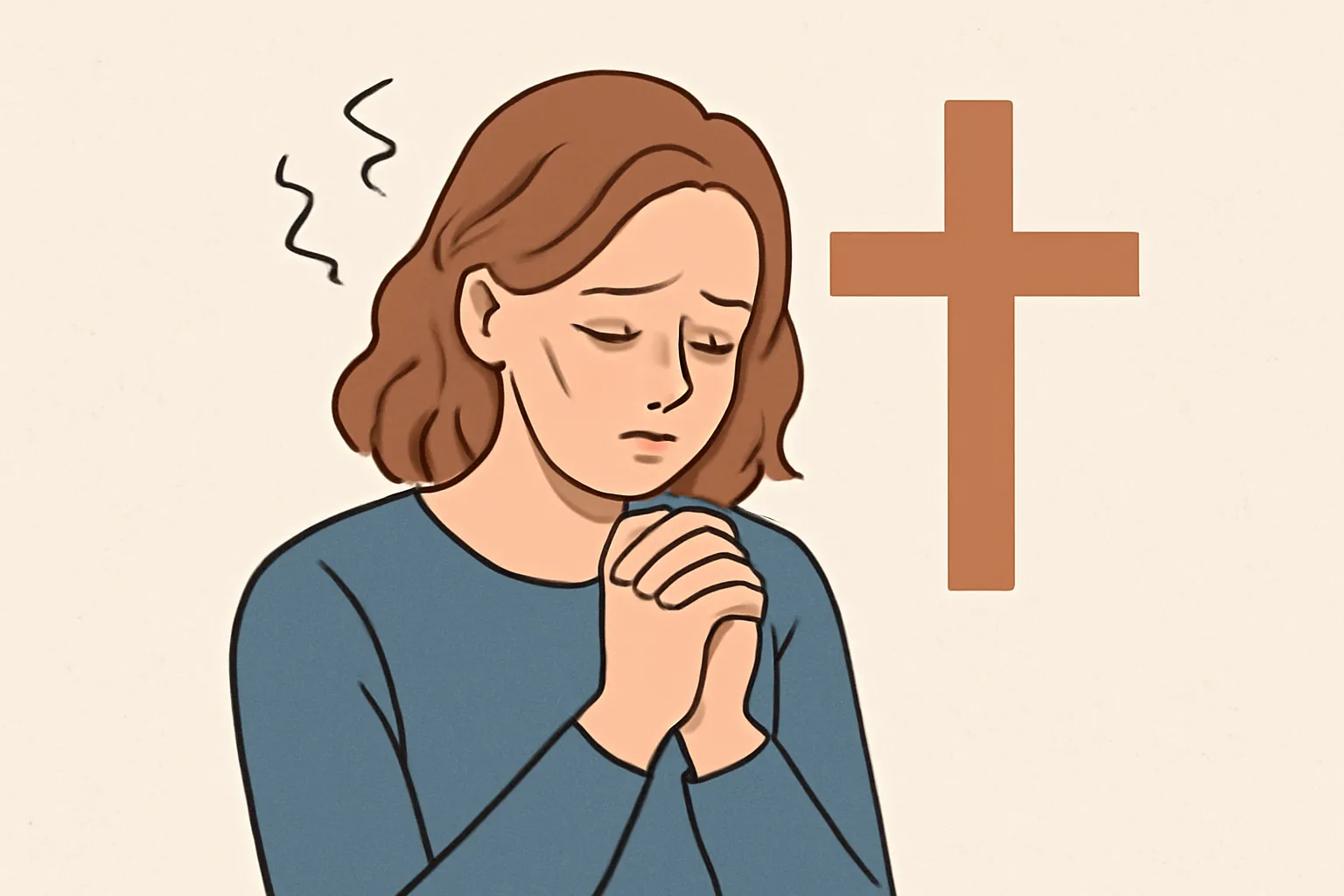
Understanding Christian Anxiety: What It Is and What It Isn’t
Christian anxiety is a common experience in a faith-filled life. It is not a sign of spiritual failure to feel worry, fear, or unease in the face of life’s pressures. Rather, it is a human response that can reveal where we trust God and where we rely on our own strength. In the Bible, the righteous are not promised a life free from trouble, but they are promised God’s presence, guidance, and peace in the middle of trouble. For many believers every day is a mix of prayers offered and concerns carried. The question is not whether anxiety will appear, but how we respond to it in light of our identity in Christ.
In this article, we will explore anxiety christian strategies that come from Scripture and mature Christian practice. We will use phrases such as biblical anxiety, faith-based anxiety, anxiety in believers, and spiritual anxiety to reflect the breadth of how this topic shows up in real life. The goal is not to deny feelings but to redirect them toward truth, prayer, and faithful action. We will also address when worry becomes a signal to pursue professional help, recognizing that spiritual resources and medical care can work together for healing.
First, it can be helpful to distinguish between ordinary concerns, which may prompt planning and stewardship, and chronic, disruptive anxiety that interferes with daily living. The Bible speaks to both: it invites us to bring every care to God (Philippians 4:6-7), to trust in God’s sovereignty (Isaiah 41:10), and to use wisdom and community for care. When we understand anxiety from a Christian perspective, we can build habits that align with grace, truth, and love for others.
Grounding in Scripture: Key Verses for Anxiety in the Christian Life
Scripture provides anchors for the anxious heart. Below are some foundational verses and the ways believers often apply them. Readers are encouraged to memorize or systematically reflect on these passages as part of a daily practice that calms the restless mind.
Philippians 4:6-7: Prayer as a gateway to peace
“Do not be anxious about anything, but in every situation, by prayer and petition, with thanksgiving, present your requests to God. And the peace of God, which transcends all understanding, will guard your hearts and your minds in Christ Jesus.” This passage invites a posture of prayer that replaces worry with conversation with the Father. For the Christian anxious mind, prayer is not a quick fix but a daily pathway.
1 Peter 5:7: Casting cares on the loving Father
“Cast all your anxiety on him because he cares for you.” Here the verb conveys entrusting one’s burdens, not carrying them alone. The Christian attitude toward worry shifts from self-reliance to reliance on a trustworthy Savior who sees, knows, and sustains.
Matthew 6:25-34: Trust over anxious calculation
Jesus teaches not to be consumed by fear about daily needs but to seek first the kingdom of God. The Christian worry about future provisions is reframed by the invitation to live under divine provision and care. A practical application is a daily practice of releasing tomorrow’s concerns to God while remaining faithful in today’s responsibilities.
Isaiah 41:10: Courage rooted in God’s presence
“So do not fear, for I am with you; do not be dismayed, for I am your God.” This verse anchors the soul in God’s nearness and sovereignty, inviting believers to respond to anxiety with the assurance that God himself is with them and will sustain them.
“Be still, and know that I am God.” The call to stillness is not passivity but a rhythm—ceasing from frantic self-reliance and acknowledging God’s lordship over chaos. For the Christian anxious heart, stillness creates space for trust to grow.
Psalm 34:4: Personal testimony of relief
“I sought the Lord, and he answered me; he delivered me from all my fears.” This verse invites reflection on the experiential faith: prayer, God’s intervention, and the transformation that follows hardship.
These passages, among others, form a biblical lens for understanding anxiety christian life and for shaping habits that replace fear with faith, and worry with worship.
Spiritual Practices to Combat Worry
Beyond knowing the verses, the Christian life invites concrete practices that train the heart. Below are practical disciplines that have helped many believers move from a pattern of fretting to a posture of trust. Each practice is designed to counter anxieties in the Christian walk with grace, truth, and community.
Prayer and supplication: Bringing every care to the Father
Prayer is not a ritualistic obligation but a relational lifeline. In many settings, faith-based worry can be transformed through honest, dialogical prayer that includes thanksgiving and confession. A simple framework is to name the fear, present it to God, seek wisdom, and listen for God’s guidance. Prayer can include petition for needs, intercession for others, and a posture of surrender, recognizing that God’s timing is often different from human timing.
Scripture meditation and memorization
Rehearsing Bible truths in daily life strengthens the mind against the lies that often fuel anxiety. Practical steps include:
Writing a short verse on a card and keeping it in a visible place.
Repeating a chosen verse during moments of stress.
Journaling reflections on how a verse shapes thoughts and actions.
Pairing a verse with a short prayer that expresses trust in God’s care.
In these moments, biblical anxiety loses some of its power as the mind is renewed by truth. The goal is not to suppress feelings but to reframe them through the lens of God’s promises.
Worship, gratitude, and joyful remembrance
Worship plays a unique role in calming the anxious heart. When the soul sings or contemplates God’s character—his love, wisdom, and faithfulness—emotions begin to recalibrate. Keeping a gratitude journal, naming concrete blessings, and recalling God’s past faithfulness are powerful antidotes to worry. The phrase anxiety in believers often arcs toward the realization that God’s goodness persists even when the mind is unsettled.
Rest, Sabbath, and digital boundaries
Chronic anxiety can be intensified by overwork and overstimulation. Implementing regular rest, a Sabbath rhythm, and healthy boundaries around digital media can reduce sensory input that fuels fretful thoughts. Grounding the day in predictable patterns gives the mind a chance to reset and hear God more clearly.
Mindset Shifts: Reframing Anxious Thoughts as a Student of Faith
Christian mental discipline includes changing how we think about fears, not just how we pray about them. The apostle Paul models a robust inner life that fills the mind with truth and replaces anxious patterns with hopeful ones. Here are mindset shifts for the anxious Christian to adopt.
Take every thought captive (2 Corinthians 10:5)
This call to receive thoughts as captives means assessing whether a thought aligns with Christ’s truth. When anxious thoughts arise—about safety, outcomes, or relationships—the believer is invited to test them against the gospel’s claims about God’s love, sovereignty, and mercy. Practically, this can look like a quick cognitive check: Is this worry about something God would call me to act on, or is it a fear about uncertain outcomes? If it’s the latter, redirect to prayer, Scripture, or trusted counsel.
Focus on what is true, honorable, just, pure, lovely, and admirable (Philippians 4:8)
Paul’s exhortation to set the mind on virtuous and uplifting things provides a simple filter for anxious thoughts. When fear zooms in on danger, the Christian can deliberately redirect attention to qualities that reflect God’s character and beauty in creation, relationships, and service.
Identity in Christ: You are loved, forgiven, and chosen
Many forms of anxiety from a Christian perspective spring from questions about acceptance, worth, and belonging. By grounding identity in Christ—“You are a child of God” (Romans 8, 1 John 3)—the believer’s sense of self no longer rests on fleeting circumstances. This reset reduces the vulnerability that fear often exploits.
Trusting sovereignty without fatalism
Balanced trust means recognizing that God governs the world with wisdom, while humans are called to wise action and compassionate response. The Christian is invited to cooperate with God’s purposes through obedience, service, and wise planning, rather than passively succumbing to worry or pretending problems don’t exist.
Community and Accountability: Walking Together in Peace
The Christian life is not a solitary journey, especially when anxiety grips the heart. Community provides practical help, emotional support, spiritual perspective, and accountability. Investing in healthy relationships is a powerful strategy against persistent worry.
Pastoral care and grief support can offer individualized guidance, spiritual counsel, and a reminder that God is present in pain.
Small groups create safe spaces for sharing burdens, praying aloud, and learning to apply Scripture in real life.
Christian counseling can provide evidence-based approaches anchored in faith, helping to address anxiety patterns, coping skills, and trauma processing within a biblical framework.
Accountability partners or mentors can check in regularly, help monitor worry cycles, and encourage habits that maintain hope.
In practice, the question becomes: Who can you confide in when fear grows wings? A trusted friend, a pastor, a counselor, or a mentor is often a conduit of God’s peace, offering prayer support, practical wisdom, and gentle accountability.
Practical Tools and Routines: Turning Belief into Behavior
Abiding peace often emerges not from wishful thinking but from daily routines that align body, mind, and spirit with God’s reality. The following tools can be integrated into a busy life without requiring perfect circumstances.
Worry time: Set a specific, limited window each day for acknowledging fears. Outside that window, gently redirect attention to constructive activities. This practice helps stop worry from consuming every moment.
Breathwork and grounding: Slow, intentional breathing (inhale for 4 counts, exhale for 6) can calm the nervous system. Pair breathing with a short Scripture phrase like “God with me.”
Journaling as spiritual mapping: Write down fears, prayers, insights, and a daily praise list. Over time, you’ll notice patterns, triggers, and growth.
Decluttering and boundaries: Reducing unnecessary commitments and digital noise can lower stress levels and improve focus on meaningful tasks and relationships.
Kindness to self and others: Treat yourself with grace when anxiety spikes, and respond to others with patience. Grace-filled actions often quiet inner turmoil.
These tools are not a silver bullet but a practical framework that recognizably shifts the trajectory of anxiety in believers. When practiced consistently, they reinforce a biblical habit of placing trust in God while living wisely in the world.
When Anxiety Goes Beyond Spiritual Practice: Recognizing the Need for Professional Help
It is essential to acknowledge that anxiety christian experience can intersect with clinical anxiety, depression, or trauma reactions that require professional care. Spiritual disciplines complement rather than replace evidence-based treatment such as counseling or, when necessary, medication. Signs that it might be time to seek professional help include:
Persistent distress that lasts for weeks or months and disrupts work, sleep, or relationships.
Inability to perform daily activities or care for oneself or others.
Self-harm thoughts or a sense of imminent danger.
Worry that feels irrational, overwhelming, or unmanageable despite prayer and practical steps.
If you or someone you know is in immediate danger, seek emergency help. If you’re unsure where to begin, consider talking with a trusted pastor or a licensed Christian counselor who can integrate faith with clinical care. The Bible’s wisdom about wisdom and seeking help applies in these situations, reminding us that seeking help is not a lack of faith but a faithful response to pain.
Overcoming Fear and Anxiety in Specific Life Situations
Different life contexts naturally produce different forms of Christian worry. Below are some common scenarios and targeted approaches that Christian communities find helpful.
Work and career pressures
Job insecurity, performance demands, and conflicts at work can provoke sustained anxiety. Strategies include:
Make a plan with prayerful intention: what steps can you take in the next week to address the concern?
Practical time management and delegation to prevent overwhelm.
Seek mentorship or counsel in the workplace to gain perspective and support.
Health concerns
Health-related anxiety can be amplified by medical uncertainty. Practical steps:
Adhere to medical advice and ask questions when unclear.
Rely on God’s sovereignty while maintaining responsibility for one’s health.
Integrate calming practices (breath, mindfulness within a biblical frame) to reduce acute stress in medical settings.
Relationships and parenting
Interpersonal pressures can generate worry about loved ones and future outcomes. Coping ideas include:
Pray for wisdom and cultivate listening skills in communication.
Blessings-based journaling: list ways you saw God’s care in the daily interactions with others.
Seek supportive community where vulnerable conversations are welcomed and honored.
Major life transitions
Moves, losses, and new beginnings often trigger anxiety. Practical emphasis on trust, community, and adaptability can help in times of transition:
Create a flexible plan that allows for rest and adjustment.
Rely on God’s promises of new mercies and purposes in every season.
Use sabbath-like rhythms to avoid overreaction to change.
The Peace That Surpasses Understanding: Testsimonies, Promises, and Practical Hope
A central promise for the anxious Christian is that God’s peace guards the heart and mind in Christ Jesus. That peace is not a superficial sentiment but a deep, steady confidence grounded in God’s character and faithfulness. Believers often describe the following as real-time experiences of divine comfort:
A quiet assurance amid uncertainty, where fear remains present but feels navigable.
A renewed sense of purpose after prayer and worship, even when circumstances do not immediately change.
Strength to endure trials with hope that God’s plans for good will prevail in time.
Scriptural anchors for this peace include Philippians 4:7, the idea that God’s peace keeps the mind in Christ, and the broader biblical witness that God is near to the brokenhearted (Psalm 34:18). Testimonials of healing, resilience, and renewed purpose remind believers that anxiety does not have the final say—God does.
Walking Forward in Faith, Prayer, and Community
In the journey of anxiety christian life, the destination is not a life free from worry but a life transformed by God’s presence, truth, and love. Biblical strategies—ranging from prayer and Scripture meditation to community support and practical routines—provide a sturdy framework for peace. The Christian anxious mind can grow in resilience by embracing these habits, recognizing when professional care is appropriate, and cultivating a life where faith and reason cooperate to foster hope.
Ultimately, peace in the Christian life is a gift and a practice: a gift that God gives through grace and a practice that believers cultivate through disciplines, community, and obedience. The journey from anxieties in believers toward a living faith that trusts the Father, loves others, and perseveres through trials is a testament to the power of the gospel to heal, transform, and sustain. May your path be marked by growing confidence in God’s presence, a steadier mind shaped by truth, and a heart full of hope for the days ahead.