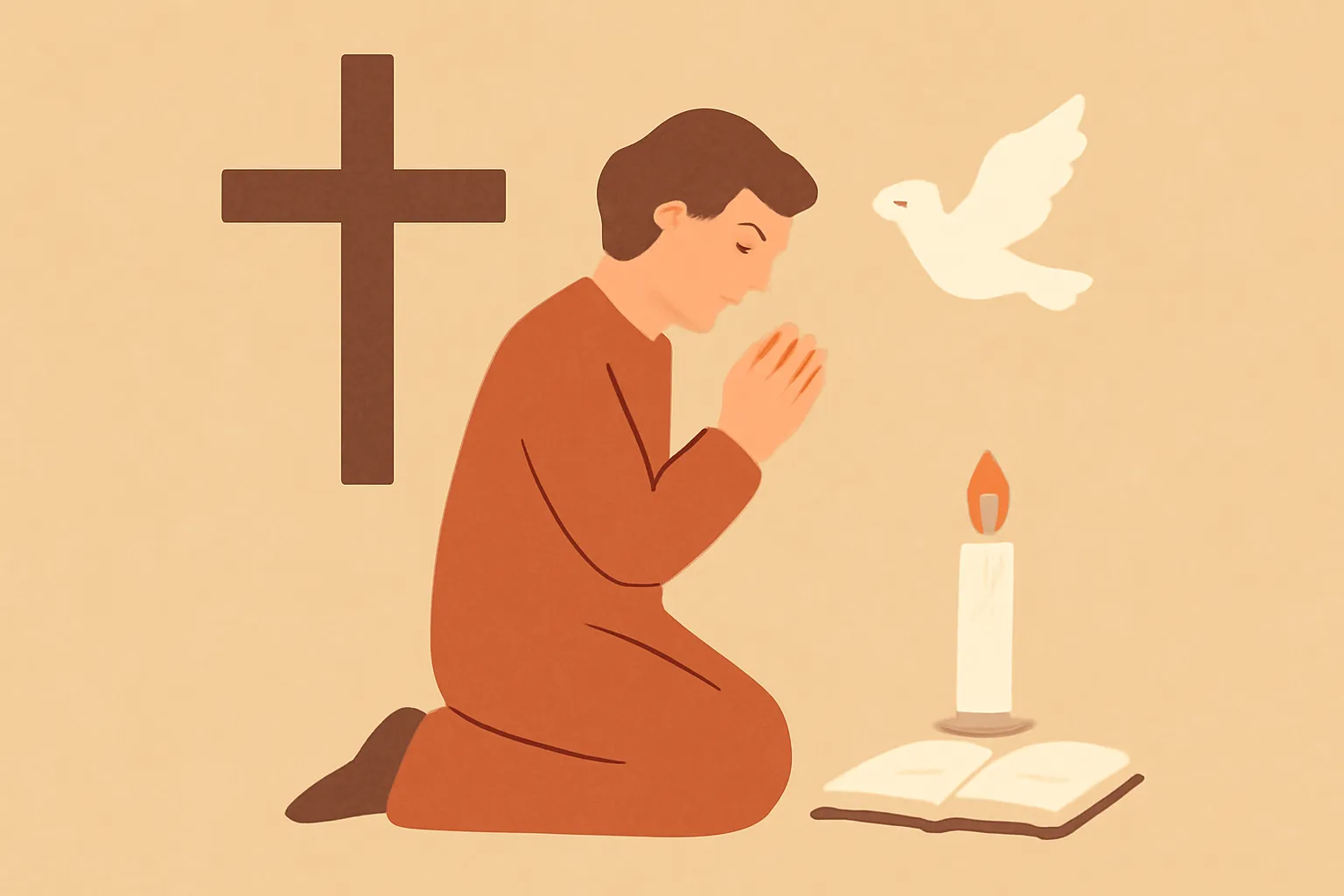
Holiness is a lifelong journey of aligning heart, mind, and actions with what is true, good, and loving. This practical guide offers ten distinct pathways—often described as ten paths to holiness, ten steps toward sanctity, or ten disciplines for holy living—that can help anyone grow in virtue, deepen their relationship with God or the transcendent, and contribute to the common good. The aim here is not to prescribe a rigid formula, but to provide clear, actionable practices that can fit across faith traditions or even a secular framework focused on character. A holy life is not about flawless perfection; it is about consistent direction: choosing love over fear, truth over denial, and service over self-interest. As you read, consider which practices feel most accessible and which might stretch you in meaningful ways.
Way 1: Begin with Daily Prayer and Contemplation
Prayer and contemplation anchor the life of holiness by turning the heart toward truth, goodness, and mercy. Whether you come from a faith tradition or approach this as a personal practice, consistent prayer shapes perception, steadies impulses, and opens space for grace to work in daily life. Contemplation slows the often hurried pace of modern life and invites listening, which is essential for authentic virtue. In this section, we explore the practical habit of turning attention toward what is sacred and transformative.
To begin cultivating daily prayer, consider these steps:
Choose a reliable time and place where you won’t be interrupted. Consistency matters more than duration at first.
Set a modest goal. Start with 5–10 minutes of quiet reflection, then increase gradually as it becomes a habit.
Adopt a simple format that suits your temperament: gratitude, petition, confession, and listening. For example, begin with gratitude for three things, name one need or concern, and end with a moment of listening for guidance.
Use a tangible tool: a journal, a prayer card, or a sacred space. Journaling your thoughts after prayer can reveal patterns and growth over time.
Finish with a brief act of commitment—a promise to carry the insights of your prayer into action in the coming hours.
Practical starting points for the contemplative life
If you want a structured approach, you can try a simple routine like the breath prayer, a short verse or phrase repeated with breath to center awareness. Alternatively, you might engage in a brief, scripture-based reflection or a mindfulness practice rooted in compassion. The key is consistency and honesty about your starting place. Remember that prayer is less about performance and more about alignment: the goal is to live in a way that corresponds with what you value most—and what you understand to be true and good.
Way 2: Cultivate Inner Virtue and Character
A holy life is a life shaped by virtuous dispositions as much as by acts of kindness. This path emphasizes inner virtue as the foundation of outward holiness. When you cultivate traits such as humility, patience, integrity, courage, and charity, your decisions become more consistent with your deepest values. This section describes how to build a robust character that can endure trials and temptations while remaining teachable and grounded.
Key practices to strengthen inner virtue include:
Perform a daily virtue check by naming one strength you exercised and one area for growth.
Practice opposite action—when you feel anger or fear, choose a response that is generous or prudent instead of impulsive.
Keep a virtues journal where you record situations that test your character and how you responded.
Engage in regular humility exercises, such as seeking feedback, apologizing sincerely, and giving credit to others.
Choose small, daily disciplines that cultivate virtue, like truth-telling in conversations, punctuality, and careful stewardship of time and energy.
Through this practice of forming character, holiness becomes less about one-off achievements and more about a moral rhythm that shapes almost every choice. When virtue becomes habitual, it can guide behavior even in the most challenging circumstances. This section can be understood as the durable framework for living a holy life, because character informs character’s outcomes across all areas of life—work, family, friendships, and civic engagement.
Service is a central dimension of holiness in many traditions. By turning outward in care for others, you participate in something larger than yourself and encounter the divine in the everyday. Practice and habit turn service from a one-time act into a way of living. This path emphasizes listening, humility, and respect for the inherent dignity of every person you encounter. It is not only about grand gestures but also about reliable, humble, and consistent acts of love toward neighbors near and far.
Ways to live out a service-oriented life include:
Identify a regular service relationship—a weekly volunteer slot, a neighborhood meal program, or a mentoring initiative.
Practice listening first in conversations, seeking to understand another person’s story before offering advice or judgment.
Engage in service that honors autonomy and dignity, avoiding paternalism or well-meaning but oppressive approaches.
Pair service with reflection: ask what you learned about others and about yourself after each act of care.
Coordinate with a community or faith-based group to ensure your service is sustainable and responsive to real needs.
Building a culture of neighbor-love
Serving others deeply aligns with the idea of a holy life because it mirrors the way many traditions describe the divine presence in action. You can begin by choosing a service project that resonates with your gifts—listening, teaching, cooking, organizing, or caregiving—and commit to it for a season. The goal is not to overburden yourself but to cultivate sustainable generosity and to learn how giving shapes character, perspective, and gratitude. By identifying the humanity of those you serve, you practice a form of holiness that thrives on connection and shared humanity.
Way 4: Practice Forgiveness and Reconciliation
Holiness often requires a courageous stance toward hurt and broken relationships. Forgiveness is not denial of harm or favoritism toward injustice; rather, it is a deliberate choice to release resentment and to seek healing that honors truth and dignity. This path invites you to address wounds with honesty, pursue reconciliation when possible, and cultivate a forgiving posture as a continual practice rather than a one-time event.
Practical steps toward forgiveness include:
Identify lingering grievances and name the hurt with clarity—acknowledging how it affected you.
Pray or reflect on the possibility of growth and healing, even if the other person is not ready to engage.
Offer a concrete gesture toward reconciliation when feasible, such as a face-to-face conversation, a letter, or a mediated dialogue.
Seek guidance from a trusted mentor, counselor, or spiritual director if the hurt is deep or complex.
Remember that forgiveness often benefits the forgiver as much as, or more than, the one forgiven—freeing your own heart to live more freely in love.
In this practice, you are invited to hold both justice and mercy together: respond to wrong with truth and accountability, and respond to hurt with mercy that does not erase responsibility. The balance is delicate but deeply transformative, turning painful experiences into opportunities for growth and renewal. This path is a powerful reminder that holiness includes the capacity to suffer well, forgive deeply, and pursue reconciliation with honesty and courage.
Way 5: Live with Gratitude and Mindful Awareness
A life oriented toward holiness grows through a steady stream of gratitude, attention, and intentional presence. Gratitude reframes perception, shifts priorities, and opens one’s life to generosity. Mindful awareness—whether achieved through prayer, contemplation, journaling, or simple daily practices—helps you notice how choices shape your soul and the lives of others.
Core practices for cultivating gratitude and awareness:
Maintain a daily gratitude list—three things you are grateful for each day, with brief reflections on why they matter.
Engage in slow, attentive activities rather than rushing through tasks—eat slowly, walk slowly, listen deeply.
Notice the ordinary gifts of life: breath, bodies that move, seasons, friendships, meals, and rest.
Develop a habit of present-mindedness in conversations and work, avoiding multi-tasking when a person or task deserves attention.
Share gratitude with others, naming their impact and expressing appreciation for small and large acts alike.
As gratitude deepens, it becomes a discipline that sustains hope and resilience in difficult times. It also turns ordinary life into a living liturgy, a daily reminder that holiness often hides in routine, faithful presence, and humble enjoyment of the gifts we too easily take for granted.
Holiness flourishes within supportive relationships. Community provides accountability, encouragement, and correction when needed. The ancient wisdom of spiritual friendship emphasizes walking together, sharing burdens, and keeping each other faithful to the path of virtue. This section outlines how to cultivate accountability groups, trusted mentors, and a community rhythm that sustains holiness over the long haul.
Practical steps to build a supportive spiritual community:
Find or form a small group with shared values who meet regularly for accountability and encouragement.
Invite a mentor or spiritual director to offer guidance, perspective, and gentle challenge when you drift from your commitments.
Set concrete goals with your group, such as weekly prayer, service, or habit formation, and review progress monthly.
Offer grace and honesty in your dialogues; practice listening without immediately offering judgments or solutions.
Engage in mutual accountability that emphasizes growth, responsibility, and the protection of one another’s dignity.
When accountability is healthy, it helps you stay honest about areas of weakness and celebrate progress in virtue. A strong community does not demand conformity but cultivates freedom within communal norms of love, truth, and respect. The result is a shared moral ecology in which holiness can take root and flourish through loyalty, care, and shared purpose.
Way 7: Steward Time, Money, and Creation
A holistic approach to holiness recognizes that resources—time, money, and the environment—are moral instruments. How you manage them reveals what you value and shapes the kind of life you build. Stewardship is not merely about restriction; it is about freedom—freedom to say yes to what matters and no to what erodes your deepest commitments. This path invites practical adjustments that align daily life with a higher good.
Principles and practices for wise stewardship include:
Audit your time to identify drains and opportunities for renewal; block time for the most important commitments, not merely the urgent ones.
Adopt simple budgeting and prudent financial habits that enable generosity and security for yourself and others.
Practice generosity without strain—consistently give, save, and invest in ways that reflect your values and responsibilities.
Consider the impact of consumption on people and the planet; choose options that reduce waste and support justice.
Integrate a habit of renewal by setting aside time for rest, Sabbath-like rhythms, and activities that replenish your spirit.
Stewardship is profoundly connected to freedom. When you manage resources with intention, you create space for meaningful relationships, creative work, and service. This path is not about ascetic denial for its own sake; it is about directing life toward what truly sustains you and others in the long run, thereby contributing to a holier economy of living in daily routine.
Way 8: Practice Simplicity and Moderation
Holiness often grows in a life marked by simplicity—where abundance is tempered by discernment and where possessions do not control the heart. A life of moderation helps safeguard freedom, reduce distraction, and make space for what truly matters: justice, mercy, and relationship. This path invites you to re-evaluate what you own, how you spend, and what you devote your time to.
Practical steps toward simplicity include:
Create a rule of life that identifies non-negotiables and limits that protect time, energy, and relationships.
Declutter physical space gradually, letting go of what is superfluous while preserving items of deep meaning or necessity.
Limit consumption and cultivate contentment by distinguishing between wants and needs.
Observe a regular Sabbath-day rhythm or weekly rest that reconnects you with family, friends, and spiritual practices.
Practice mindful consumption—read labels, compare choices, and prioritize products and services that sustain people and the planet.
Simplicity is not about deprivation; it is about freedom—freedom from compulsive patterns that erode virtue and from the sense that more is always better. By choosing less in certain areas, you create room for more meaning in relationships, wisdom, and service. This path helps you live set-apart in a busy world, without withdrawing from responsibility or joy.
Way 9: Seek Confession, Repentance, and Ongoing Formation
Holiness grows through the continual conversion of life. Confession and repentance are not merely about admitting fault; they are practices that restore integrity, cultivate humility, and invite ongoing formation. This path emphasizes humility before truth and the importance of ongoing learning—intellectually, spiritually, and morally. The aim is to become more deeply teachable and more fully alive in your commitments to truth and love.
Establish a routine of reflection and confession that fits your tradition—whether through formal confession, journaling, or private honesty about missteps.
Seek spiritual direction or mentorship to discern growth areas and align actions with values.
Engage with a learning community that explores theology, ethics, or philosophy to deepen understanding and discernment.
Read purposefully and regularly—books that challenge assumptions and illuminate how to live justly and kindly.
Develop a practice of humility: admit when you’re wrong, apologize sincerely, and take corrective steps to restore trust when needed.
The practice of ongoing formation is a lifelong discipline. It acknowledges that holiness is not a state you achieve and then shed; it is a persistent posture toward truth, mercy, and fidelity. By embracing continuous growth, you cultivate a holy curiosity that keeps intent and action aligned with virtue, even as circumstances change.
Way 10: Nurture Hope, Endurance, and Mission
The final path in this practical guide invites you to live with hope that sustains you through hardship, and with endurance that holds fast to goodness over time. A holy life is not only about quiet personal virtue; it also has a mission—to contribute to the flourishing of others and to participate in a larger good beyond yourself. This path connects your daily acts with a broader narrative of purpose, resilience, and service that persists through seasons of joy and difficulty alike.
Guidelines for cultivating hope and mission include:
Articulate a personal vision or mission statement that reflects your values and commitments to others.
Develop resilience practices—healthy routines, social support, and spiritual grounding—to endure trials without losing integrity.
Engage in contemplative hope: reflect on what is good, true, and merciful, even when circumstances look bleak.
Participate in community efforts aimed at lasting impact—social justice, education, care for the vulnerable, environmental stewardship.
Celebrate progress and learn from setbacks, keeping your gaze on the long arc of healing and reconciliation at individual and collective levels.
This final pathway reminds us that holiness is not a private retreat from the world but a public witness of love in action. When individuals commit to hope and mission, they become agents of transformation in families, workplaces, neighborhoods, and institutions. The ten pathways together form a holistic ecosystem in which prayer, virtue, service, forgiveness, gratitude, community, stewardship, simplicity, ongoing formation, and hopeful action reinforce one another in a living, dynamic practice of holy living.
Bringing the Ten Pathways Together: A Practical Plan
While each of the ten ways to live a holy life stands on its own, they are designed to reinforce one another. A practical plan to integrate these paths into daily life can look like this:
Choose one or two core practices to start with, such as daily prayer and service to others, then add one new discipline every few weeks as you grow more comfortable.
Set a realistic weekly rhythm that includes time for prayer, reflection, community, service, and rest.
Keep a simple journal to track your progress, noting both progress and stumbling blocks without judgment.
Find a trusted community—family, friends, or a faith-based group—that can offer accountability, encouragement, and honest feedback.
Periodically revisit your goals, adjusting as life changes while staying anchored in the core commitments that matter most to you.
Inspiration for this approach comes from the idea that holiness is a long obedience in the same direction. The 10 ways to live a holy life are not a checklist that promises instant transformation; they are a framework to cultivate enduring habits. The aim is to harmonize inner life with outward action, so that your daily choices reflect the best of your values and contribute to a more just, compassionate, and peaceful world.
A Lifelong Practice of Holiness
What makes a life holy is not perfection but fidelity to truth, love, and service. By weaving together daily practice, character formation, compassionate action, forgiveness, gratitude, community, wise stewardship, simplicity, ongoing growth, and hopeful mission, you create a rich fabric of holiness that can sustain you through seasons of joy and difficulty alike. Whether you phrase your path in terms of ten steps toward sanctity, ten paths to holiness, or ten disciplines for holy living, the underlying message is the same: holiness is not a distant ideal but a lived reality accessible to anyone who commits to small, consistent steps over time. Let these ten pathways be a map—not a cage—guiding you toward a life that is profoundly free, deeply humane, and resonant with love for God, neighbor, and creation.