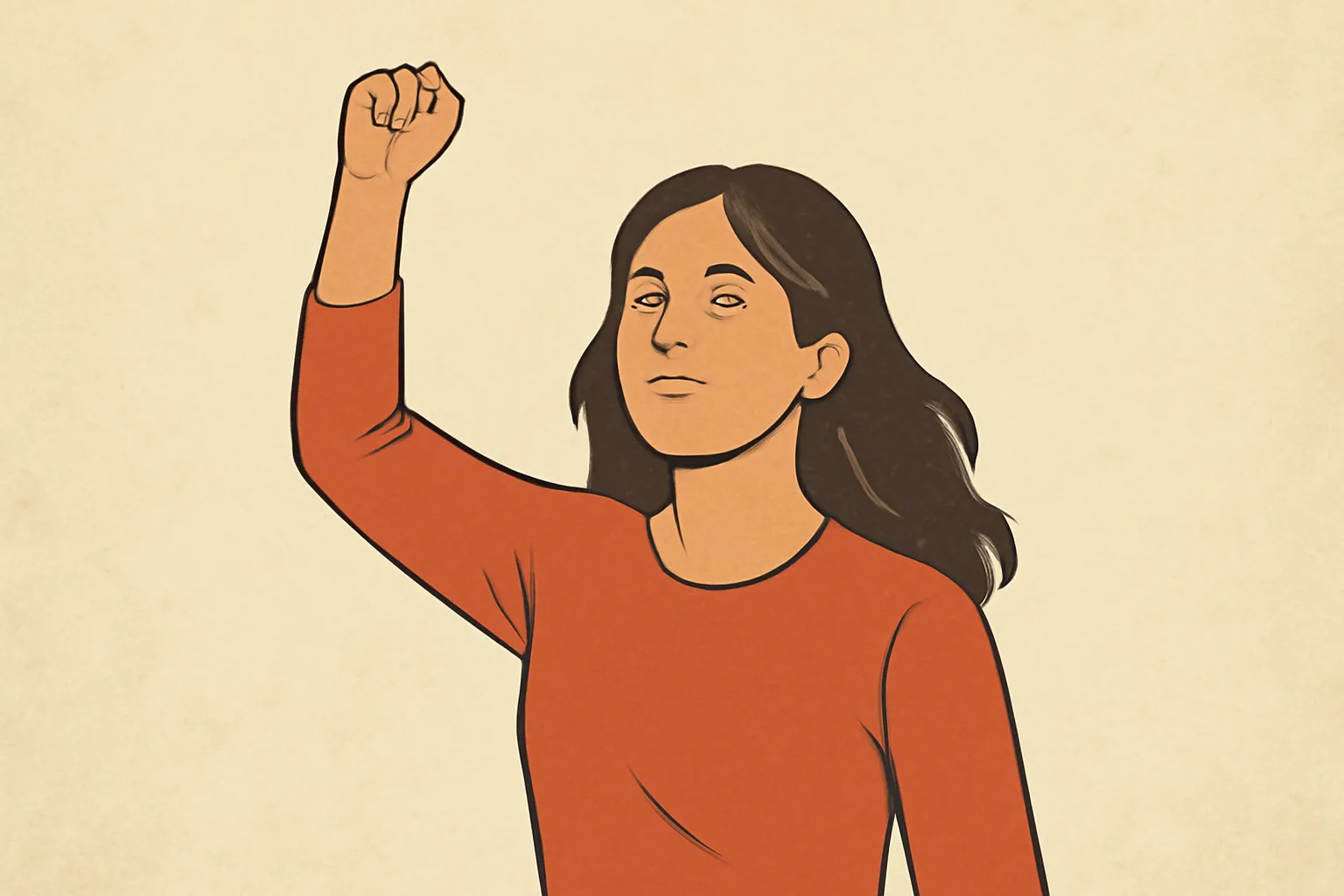
Bible Verses on Standing Up for What Is Right: Inspiring Scripture for Courageous Faith
In a world filled with competing voices, the call to stand up for what is right is a recurring theme throughout the Bible. From the earliest stories to the letters of the New Testament, Scripture invites followers to act with courage, to defend the vulnerable, and to speak truth with love. This article gathers a broad range of verses—across both testaments—to illuminate how believers can cultivate bold integrity in daily life, decisions, and public witness. The verses below are presented with careful attention to their core messages, allowing you to reflect on how biblical courage can shape practice, character, and community.
Foundations for Courage: Key Themes in Scripture
At the heart of many biblical exhortations is a pattern: when people are tempted to shrink back, Scripture calls them to act justly, show mercy, and stand firm in their convictions. The following themes recur across diverse books and voices:
Bold advocacy for the voiceless and vulnerable.
Righteous courage that does not depend on human strength alone but on trust in God.
Love wrapped in truth, where speaking difficult truths is guided by compassion.
A gracious rhythm of action and prayer—asking God for wisdom and strength before engagement.
Below, you’ll find verses organized by biblical context and practical application, each offering a distinct angle on standing up for what is right.
Old Testament Inspirations: Courageous Voices for the Right Side
Defenders of the Vulnerable
The Old Testament repeatedly elevates acts of justice and defense of the defenseless. Defending the vulnerable is framed as a core response to God’s own character.
Proverbs 31:8-9 — Open your mouth for the mute, for the rights of all who are destitute. Defend the cause of the poor and needy.
Psalm 82:3-4 — Defend the weak and the fatherless; uphold the cause of the poor and the oppressed. Rescue the weak and the needy; deliver them from the hand of the wicked.
Isaiah 1:17 — Learn to do good; seek justice, correct oppression; defend the fatherless, plead the widow’s cause.
Proverbs 24:11-12 — Rescue those being taken away to death; hold back those staggering toward slaughter. If you say, “We knew nothing about this,” does not he who weighs the heart perceive it?
These verses emphasize that standing up for what is right is not optional but a moral obligation, rooted in God’s care for those who cannot advocate for themselves.
Justice and Integrity in Public Life
In the biblical narrative, justice is not abstract; it translates into concrete actions—speaking truth, resisting corruption, and promoting righteousness in the courts and in communities.
Exodus 23:1-3 — Do not spread false reports. Do not help a guilty person by being a pretending witness; in court, do not follow the crowd in doing wrong.
Micah 6:8 — He has shown you, O mortal, what is good; and what does the LORD require of you? To act justly and to love mercy and to walk humbly with your God.
Proverbs 29:7 — The righteous care about justice for the poor; the wicked have no such concern.
In these passages, courage is paired with wisdom—knowing when to confront injustice, how to speak the truth, and when to pursue reconciliation in humility.
Steadfastness Under Pressure
The first appearances of courageous standpoints often arise in moments of crisis—when social norms pressure believers to conform. The Psalms and prophetic books remind readers that God honors steadfast witnesses.
Psalm 11:3 — If the foundations are destroyed, what can the righteous do?
Jeremiah 1:17-19 — Get yourself ready. Stand up and tell them everything I command you. Do not be terrified by them, or I will frighten you before them. I am with you and will rescue you, declares the LORD.
Daniel 3:16-18 — Shadrach, Meshach, and Abednego refuse to worship the king’s image, declaring that God can deliver them, yet they remain faithful even if not delivered.
The message across these verses is clear: staying true to God’s justice requires courage, even when the cost is high.
New Testament Guidance on Courage and Moral Boldness
The New Testament picks up the thread of courageous living in a New Covenant context—where believers are called to bold witness, to expose wrongdoing, and to live as salt and light in the world. The following passages offer practical guidance for contemporary faith communities seeking to embody biblical courage.
Luke 4:18 — The Spirit of the Lord is upon me, because he has anointed me to proclaim good news to the poor, to proclaim freedom for the prisoners and recovery of sight for the blind, to set the oppressed free.
Matthew 5:13-16 — You are the salt of the earth and the light of the world. Let your light shine before others, so they may see your good deeds and give glory to your Father in heaven.
Ephesians 5:11 — Have nothing to do with the fruitless deeds of darkness, but rather expose them.
2 Timothy 1:7 — God gave us a spirit not of fear but of power, love, and self-control.
1 Peter 3:12 — The eyes of the Lord are on the righteous, and his ears are attentive to their prayer, but the face of the Lord is against those who do evil.
Romans 12:21 — Do not be overcome by evil, but overcome evil with good.
James 4:17 — If anyone, then, knows the good they ought to do and doesn’t do it, it is sin for them.
Proverbs 3:27-28 — Do not withhold good from those to whom it is due, when it is in your power to act.
Together, these verses articulate a practical theology of courage: trust in God’s power and love, act with integrity, speak truth in love, and pursue justice as a distinctive mark of a disciple.
Exposing Darkness and Speaking Truth in Love
The New Testament also teaches that godly courage includes exposing injustice and living in a way that reveals the truth of God’s purposes. Yet this is never a license for cruelty or arrogance; it is a call to speak with compassion and humility.
Luke 12:2-3 — There is nothing concealed that will not be disclosed, or hidden that will not be made known. What you have said in the dark will be heard in the daylight, and what you have whispered in the ear in the inner rooms will be proclaimed from the roofs.
Matthew 7:12 — Do to others what you would have them do to you; this is the law and the prophets. Bold truth-telling must be tempered by mercy.
Reading verses about standing up for what is right is enriching, but it also begs the question: how can a believer translate these words into tangible actions in a complex world? The following practical steps offer a framework for daily discipleship that seeks justice, mercy, and truth.
Pray for discernment and courage: Begin with a posture of dependence on God, asking for wisdom to recognize when speaking up is required and when to advocate in quieter, steady ways.
Listen first to those affected by injustice: Before offering a response, hear the stories and perspectives of those who bear the burden. This aligns with the biblical pattern of seeking justice with humility.
Speak truth in love: When addressing wrongdoing, aim to build up rather than crush. Let your words reflect mercy, grace, and a commitment to the common good.
Act with integrity in public life: Your choices, work, and relationships should reflect consistency between profession of faith and daily actions.
Advocate for the vulnerable in concrete ways—through service, policy engagement, and community support, not in ways that confuse courage with cruelty or judgment with condemnation.
For families and communities, the following practices can help cultivate a culture of courageous faith:
Regular discussion of justice-oriented Bible passages at family or small-group gatherings.
Public commitments to stand against deception, corruption, or oppression in local institutions, coupled with practical steps to support those affected.
Mentorship and accountability structures that help people grow in both courage and compassion.
Stories of Courage: Biblical Examples That Inspire Action
Concrete narratives in Scripture provide vivid models of standing up for what is right. Here are a few well-known stories that illustrate different dimensions of courageous faith.
Daniel: Prayerful Courage under a Decree
Daniel’s bold practice of prayer, despite an imperial edict, demonstrates steadfast fidelity to God even when social safety and status are at stake. The pattern includes prayerful discipline, respectful engagement with authorities, and unwavering trust in God’s ultimate sovereignty.
Daniel’s stance is anchored in faithfulness and a clear understanding of his responsibilities before God. His example shows that integrity often requires consistent personal devotion that informs public action.
Esther: Courage for Such a Time as This
Esther’s courage unfolds at the intersection of personal risk and communal obligation. The classic refrain—“For such a time as this”—reminds readers that ordinary people may be called to extraordinary acts to defend life, justice, and the welfare of others.
Esther’s decision to engage the king with wisdom demonstrates both boldness and discernment—qualities necessary for standing up for right outcomes within complicated political environments.
Shadrach, Meshach, and Abednego: Faithful Refusal in the Fire
In Daniel 3, these three youths refuse to bow to a rendered idol, choosing to trust God’s deliverance even when it means facing a furnace. Their example emphasizes allegiance to God over popular conformity and highlights courage exercised in the face of tangible danger.
To help you navigate the breadth of biblical counsel on standing up for what is right, here is thematic, compact guidance with representative verses. Each entry includes a short takeaway to guide personal reflection or group study.
Defend the vulnerable — Proverbs 31:8-9; Psalm 82:3-4; Isaiah 1:17
Speak truth to power — Luke 4:18; Ephesians 5:11; Acts (principles echoed in early church practice)
Live with integrity in public and private life — 1 Peter 3:12; Matthew 5:13-16
Do the good you know to do — James 4:17; Proverbs 3:27-28
The recurring invitation is not merely to feel righteous anger or moral outrage, but to anchor action in the character of God, guided by wisdom, and exercised with mercy.
Practical Reflections for Personal and Community Life
How can a believer translate these biblical truths into a lifestyle that is both courageous and constructive? The following reflections can help you integrate the idea of standing up for what is right into daily routines, relationships, and decision-making processes.
Clarify your convictions: Identify the core values that you will defend—dignity, justice, truth, mercy—so that when pressure comes, your responses are not reactive, but principled.
Develop ethical discernment: Practice discernment through study, dialogue, and prayer. Seek guidance to distinguish righteous confrontation from self-righteousness.
Balance courage with compassion: Courage without mercy can become harsh; compassion without courage can become complacency. Aim for a balanced, biblical posture.
Practice obedient waiting: Not every situation requires immediate public confrontation. Some require patient prayer, strategic planning, and alliance-building before action.
Encourage others in the process: Equip others to stand up for what is right by modeling humility, encouraging accountability, and inviting diverse voices into the conversation.
When you face a decision or a dispute, you can return to these guiding questions:
Does this action align with God’s justice as described in Scripture?
Am I seeking to honor God, or am I trying to polish my own reputation?
Who is most affected by this issue, and how can I defend their dignity without harming others?
What steps can I take that reflect truth-telling wrapped in love?
Closing Thoughts: Courage as a Habit, Not a Moment
The biblical call to stand up for what is right is not a single event but a way of life. It involves training the heart to discern, the will to act, and the temperament to endure when the cost is high. Across time and culture, Scripture invites a posture of courageous faith that remains anchored in God’s justice, mercy, and mercy-filled truth.
Whether you are called to advocate for the vulnerable, proclaim good news to the poor, or confront injustice within your own circles, remember that you do not stand alone. The same God who emboldened prophets, apostles, and faithful people throughout Scripture is present with you today. Let these verses shape your work, your conversations, your prayers, and your relationships as you seek to live out a courageous, righteous faith.