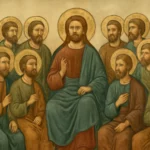
The Parable of the Sower, one of the most well-known short stories in the teaching of Jesus, appears in the Gospel of Luke as part of a cluster of sayings and miraculous acts that frame his ministry in Galilee. In Luke 8:4-15, a large crowd gathers as Jesus tells a parable about a sower who scatters seed on different kinds of soil. Luke preserves the parable in a way that emphasizes both the accessibility of Jesus’ message and the varied reception it encounters. The narrative structure—parabolic teaching followed by a private explanation for the disciples—helps readers distinguish between hearers at the surface level and those who truly understand the message and allow it to bear fruit.
In Luke’s account, the seed is not merely a generic symbol; the seed is the word of God, a formulation that Luke explicitly records in verse 11: this is the meaning of the parable. This emphasis places information, proclamation, and the divine message squarely at the center of what is being sown. The surrounding context in Luke highlights the social and spiritual dynamics of reception: crowds marvel at healings and wonders, yet the kind of listening that leads to transformation requires openness, perseverance, and a heart that resists distraction.
Luke’s unique emphasis within the Synoptic tradition
Word-centered interpretation: Luke foregrounds the seed as the word of God, aligning the parable with his broader focus on the proclamation of the Kingdom and the ways people respond to it.
Ethical and practical outcomes emphasis: Luke repeatedly ties hearing to action—belief expressed in lifestyle, endurance under pressure, and fruitfulness over time.
Discipleship and proximity to Jesus: The private explanation to the disciples underscores the distinction between outward reception and inward understanding, a theme that recurs as Luke narrates Jesus’ interactions with followers and skeptics alike.
Literary and Historical Context
Understanding the historical setting helps readers grasp why Luke presents the Parable of the Sower the way he does. First-century Palestinian agriculture was commonplace and familiar to listeners: seeds were tossed by hand, and soil quality varied widely within fields adjacent to roadways, rocky ledges, thorn thickets, and cultivated plots. The parable uses this intimate knowledge of land and seed to communicate a spiritual truth about receptivity to the message of the Kingdom.
Luke’s Gospel was written for an audience that included Gentile Christians and diverse backgrounds. His narrative often highlights how outsiders are included in God’s plan and how Jesus’ message moves beyond magical displays to require discernment and ethical living. In this light, the Parable of the Sower operates on multiple levels: it teaches about receptivity, warns against being entangled in worry or wealth, and invites readers to participate in the growth of God’s reign through faithful listening and patient cultivation.
The structure of Luke 8 also connects this parable to other sections about light, hearing, and seeing. Just a few verses later, Luke 8:16-18 presents the lamp on a stand motif, underscoring that what is heard—once understood—should be publicly displayed and safeguarded. This pairing reinforces the idea that the Word of God is powerful, but its effectiveness depends on the soil of the heart and the integrity of one’s public witness.
The Parable in Luke: Four Soils and Their Meanings
Luke’s presentation features four soils, each representing a distinct reception of the divine word. The parable is a compact teaching device, yet it yields a rich interpretive harvest when read slowly and reflectively. Below you will find a three-tiered exploration: a concise description of each soil, a short interpretive note, and a reflection on how this soil type might manifest in contemporary life.
Seed, Path, and the Birds: The Path (Hard Surface)
The first soil is a trodden path where seeds do not take root. Birds quickly snatch them away, symbolizing immediate distraction or a lack of receptivity. This soil type represents a heart that is resistant to the word, perhaps because of skepticism, hardness, or preoccupation with immediate concerns that eclipse listening.
Key idea:Hearing without retention or the intentional refusal to let the Word in.
Luke’s emphasis: Some listeners hear with curiosity but do not allow the message to penetrate, so the seed never germinates.
Contemporary resonance: In today’s media-saturated culture, the pathway image can describe people who skim messages, dismiss ideas, or are shielded by cynicism, leaving spiritual growth stunted at the outset.
The Rocky Ground: Narrow Roots and Rapid Hope
The second soil type lies in rocky soil where there is initial warmth and enthusiasm, but the roots cannot grow deeply. When sun exposure and heat intensify—symbolic of trials, persecution, and social pressure—the seed withers. This soil reflects a superficial commitment that lacks the depth necessary to withstand challenging circumstances.
Key idea:Emotional excitement without durable commitment leads to fragile faith.
Luke’s emphasis: The danger of a faith that flourishes in favorable conditions but collapses when opposition arises.
Contemporary resonance: In modern faith communities, this may correspond to people who respond with enthusiasm to attractive programs or spiritual trends but drift away when personal cost or doubt enters the picture.
The Thorns: Worries, Wealth, and Worldliness
The third soil is sown among thorny plants, where the seed germinates but is quickly choked by the concerns of life and the deceitfulness of wealth. This image invites readers to consider how competing commitments—career ambitions, social status, anxiety about the future—can crowd out the Word and keep it from yielding fruit.
Key idea:Distractions and cravings prevent spiritual growth from maturing into faithful living.
Luke’s emphasis: A warning that prosperity and worry can crowd out the inner space needed for discernment and perseverance.
Contemporary resonance: In today’s fast-paced, achievement-driven societies, the pressure to succeed or the fear of scarcity can eclipse the steady cultivation that sustains long-term faithfulness.
The Good Soil: Honest Hearts and Fruitful Lives
The fourth soil, the desirable one, yields a harvest: grain that multiplies and demonstrates the life-transforming power of the Word. This soil is characterized by honest and good hearts, receptivity to the Word, and the willingness to persevere under trials. Those who hear the Word, hold it fast, and bear fruit with patience exemplify the outcome Luke presents as the ideal response to Jesus’ teaching.
Key idea:Hearing with integrity leads to lasting transformation.
Luke’s emphasis: The fruit is not immediate sensationalism but patient growth—bearing observable, ethical fruit over time.
Contemporary resonance: The good-soil category calls for practices that nurture spiritual growth, such as community accountability, regular Scripture meditation, and acts of service that demonstrate a living faith.
Theological and Practical Lessons from Luke’s Parable
Beyond the descriptive narrative of four soils, Luke’s Parable of the Sower invites readers to draw theological conclusions about the nature of God’s Word, human responsibility, and the dynamics of the Kingdom. The following themes emerge repeatedly in Luke’s broader theological project: reception, discernment, perseverance, and fruitfulness as the measure of true discipleship.
Reception and Responsibility
A central claim in Luke is that reception is a responsibility of the hearer. God sows generously; the question is whether people will welcome the seed, tend to it, and allow it to take root. The parable does not excuse failure to understand or to grow; rather, it explains why different people respond differently and what that means for ministry and personal faith.
Understanding as a Gift and a Task
In Luke’s account, understanding the Word is both a gift and a task. The disciples receive an explicit explanation of the parable, suggesting that true understanding comes through disciplined listening, contemplation, and communal discussion about what it means to live according to the Word of God. This duality—divine disclosure paired with human effort—permeates Luke’s Gospel and shapes how readers engage with parables.
A distinctive feature of Luke’s version is the phrase about bearing fruit with patience. The spiritual life is depicted not as a quick infatuation but as a steady cultivation that requires endurance. The good soil’s fruitfulness emerges over time, often through trials that test the depth and resilience of one’s faith.
Fruit as Evidence of Discipleship
The parable places a premium on fruitfulness as evidence that the Word has taken root. The fruit is not defined narrowly as converts alone; it encompasses right living, ethical behavior, and faithful endurance in a community context. Luke’s broader narrative framework emphasizes social and moral implications of following Jesus, so the fruiting is visible in acts of compassion, justice, and steadfast hope.
Variations within Luke: Cross-Axial and Thematic Breadth
The Parable of the Sower in Luke is often considered alongside parallel passages in other Gospels (notably Mark and Matthew). While the core image remains consistent—seed, soil, and harvest—Luke’s version adds distinctive emphases that broaden its semantic reach. Here are some variations and how they enrich the meaning within Luke’s Gospel:
Word-Centered Imagery
In Luke, the seed explicitly represents the word of God, which places the parable within the larger Christological and pneumatic matrix of Luke-Acts, where proclamation, revelation, and the Spirit’s work intersect. This word-centered understanding invites readers to consider how Scripture, preaching, and personal encounter with Jesus become the soil for spiritual growth.
Luke’s emphasis on communal learning and sharing—within the company of disciples, among the crowds, and in the latter chapters of Acts—frames the good soil not only as an individual condition but as a cultivated environment. The exhortation to hold fast and bear fruit invites communities to create spaces of honest listening, mutual accountability, and shared mission that support sustained growth.
The parable sits alongside Luke’s repeated call to discern the true nature of the Kingdom and to respond accordingly. When readers see how the seed is sown far and wide, Luke invites them to imagine the church’s mission as a process of sowing, nurturing, and harvesting that unfolds through the Spirit’s power and human cooperation.
Practical Implications for Preachers, Teachers, and Readers
The Parable of the Sower offers a rich template for preaching, teaching, and personal reflection. Here are some actionable takeaways that paraphrase Luke’s insights into modern contexts:
Sowing widely remains essential. The sower’s generosity shows that the Gospel must be shared even when reception is uncertain.
Assess the soil in your own circumstances and in your community. Are there distractions, worries, or competing desires that choke the Word?
Cultivate good soil through practices that enrich receptivity: regular Bible study, prayer, worship, accountability, and acts of service that demonstrate a living faith.
Teach about perseverance by sharing stories of long-term growth, not just immediate responses or converts. Growth is often gradual and nonlinear.
Balance urgency and patience: Proclaim the Word boldly, but acknowledge that spiritual fruit requires time and patient cultivation within relationships and communities.
Embrace the insider-outsider dynamic: Luke’s context suggests that understanding may be granted to those who seek it while others may still encounter the mystery of the Kingdom, prompting humility and continued seeking.
Connections with Luke’s Larger Theological Program
The Parable of the Sower is not an isolated teaching but part of Luke’s broader project to present Jesus as the bringer of the Kingdom whose message demands a response. Luke’s narrative arc moves from proclamation to demonstration—healings, exorcisms, and compassionate deeds accompany the word that is sown. The metaphor of light in Luke 8:16-18 resonates with the seed’s reception: what is sown, understood, and embraced should illuminate the life of the believer and the conscience of the community.
In Luke-Acts, the pattern of sowing, hearing, and bearing fruit continues as the church multiplies. The early church’s mission to Jerusalem, Judea, Samaria, and the ends of the earth echoes the sower’s expansive reach. Yet Luke keeps returning to the question of soil—how deeply the Word is rooted in hearts that are honest, good, and prepared to persevere. This ongoing meditation on receptivity shapes how readers approach Scripture, teach others, and participate in the mission of God.
Rich Applications for Personal Reflection
Reading Luke’s Parable of the Sower invites deep personal examination. The following prompts can guide contemplation, journaling, or group discussion:
What kind of soil am I? Are there hard places in my heart where the Word cannot take root, or are there rocks masking a need for deeper spiritual roots?
What distractions threaten the Word in my life? Consider the thorns of anxiety, financial concerns, or social pressures that may choke spiritual growth.
How can I cultivate better soil for myself and for others? Think about habits, relationships, community rhythms, and practices that foster receptivity and accountability.
What does fruit look like in my context? Reflect on ethical living, service to neighbors, and the demonstration of faith through actions that align with the Kingdom values Luke presents.
The Parable of the Sower in Luke is, at heart, a call to discernment and discipleship. It invites readers to participate in a transformative process: the Word is sown generously, the soil is tested, and a harvest emerges through patient endurance. The diversity of soils is not just about outcomes; it is about how people respond to the divine invitation to participate in God’s ongoing work in the world.
Additional Variants and Comparative Notes
While the emphasis in Luke remains the Word, the four-soil motif is shared with Matthew and Mark, each gospel highlighting certain nuances. In Mark and Matthew, the parable is likewise about reception and fruit, but Luke’s version tends to foreground the ethical consequences and the discernment of the heart in ways that align with his broader social and theological concerns.
For readers who study the parable across the Synoptic Gospels, it’s helpful to note:
Shared core image: Seed, soil, and harvest as symbols of the Word’s reach and reception.
Luke’s distinctive features: Explicit association of the seed with the Word of God, emphasis on hearing with an honest conscience, and the call to bear fruit with patience.
Application across the Gospels: The parable functions as a bridge between proclamation and practice, showing how belief translates into a transformed life within a community of faith.
Concluding Reflections
The Parable of the Sower in Luke functions as a compact, multi-layered teaching that continues to speak to readers across generations. Its power lies in the way it names human experience—curiosity, enthusiasm, anxiety, wealth, and distraction—while inviting a deeper commitment to hear, understand, and live out the Word. The four soils are not merely categories to classify others; they are mirrors for each reader to examine where one’s own heart stands before God and how one might cultivate the soil to become a fruitful disciple.
As you engage with Luke’s parable, consider the following practice to deepen your understanding and daily living: set aside time for reflection on the Word, invite trusted others into conversation about how faith is shaping life, and seek practical opportunities to demonstrate the fruit of the Word in acts of mercy, justice, and love. In doing so, you participate in the ongoing story that Luke invites his readers to join—the story of a word sown generously, soil opened by grace, and a harvest that reveals the abundance of the kingdom.