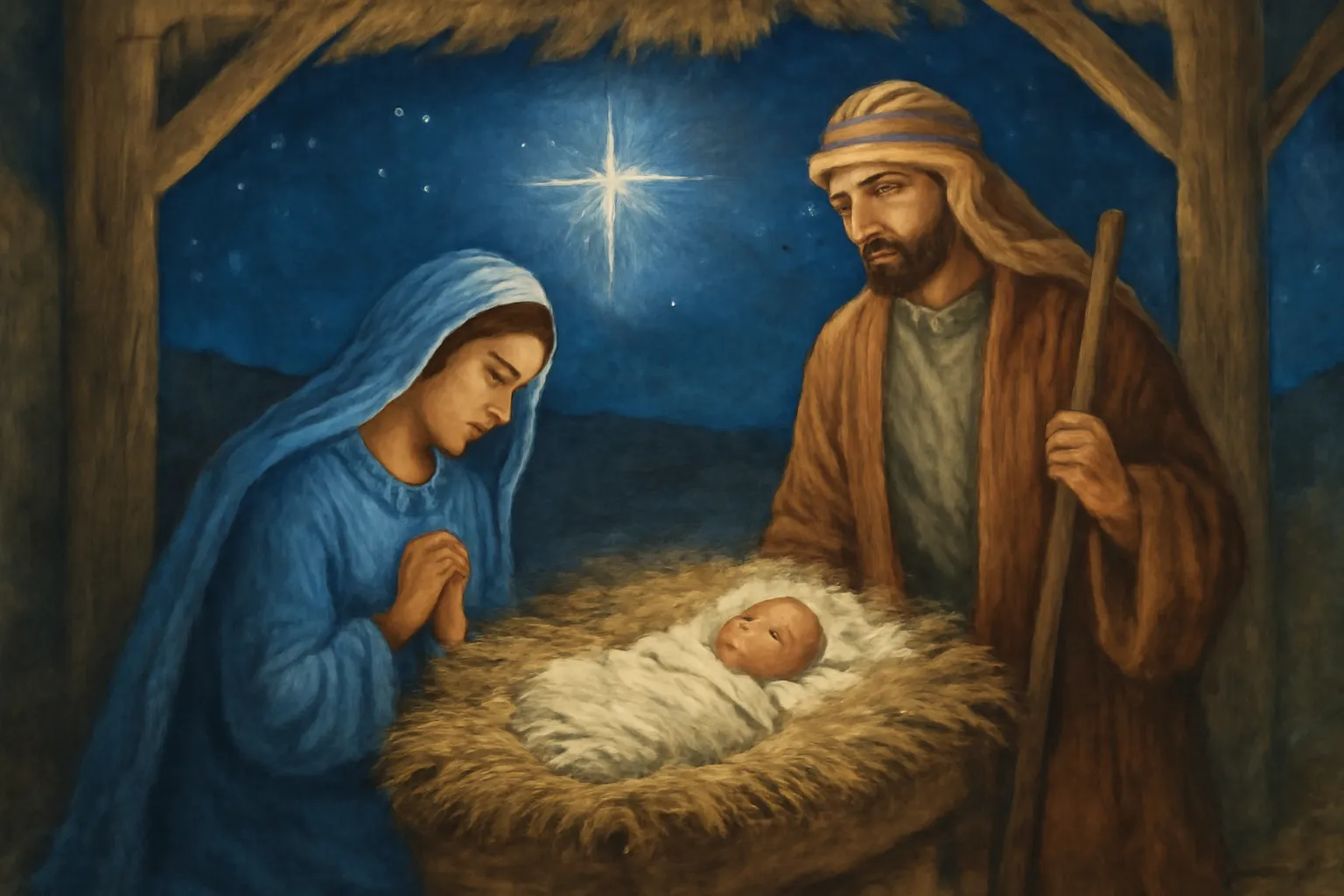
Overview: Why Bible Verses for Christ’s Birth Matter
The Nativity story is at once a historical account, a theological statement, and a devotional invitation. For believers and students alike, selecting bible verses about Christ’s birth helps illuminate the central truths of Christmas: the Incarnation, the fulfillment of ancient prophecies, and the glad tidings proclaimed to shepherds and magi. In this article you’ll find a curated set of top passages that celebrate the birth of Jesus from across the biblical witness. Each passage is presented with concise context, a few learning notes, and ideas for personal reflection, family worship, or classroom study.
The verses below intentionally reflect diverse literary genres within Scripture — prophecy, gospel narrative, and early Christian testimony — to give a broad semantic range: from prophecies about a virgin birth and Bethlehem’s significance to the majestic declarations of angels and the cosmic implications of the Word becoming flesh.
Prophetic Foundations: Verses That Foretell the Nativity
Before the first Christmas night, Scripture spoke of a coming Messiah in ways that would be fulfilled in the birth of Jesus. Reading these prophecies together with their New Testament fulfillments deepens our understanding of divine sovereignty and God’s faithfulness.
Isaiah 7:14 — “Behold, a virgin shall conceive, and bear a son, and shall call his name Immanuel.” Key idea: the virgin birth as a sign, identifying the child with divine presence among humanity.
Isaiah 9:6–7 — “For unto us a child is born… Wonderful, Counselor, the mighty God, the everlasting Father, the Prince of Peace.” Key idea: a prophetic portrait of the child’s divine royalty and enduring reign.
Micah 5:2 — “But thou, Bethlehem Ephratah… out of thee shall come a Governor.” Key idea: the Messiah’s birthplace and the unexpected setting of exile and wait becoming revelation.
Isaiah 11:1–2 — “There shall come forth a rod from the stem of Jesse, and a Branch shall grow out of his roots.” Key idea: the humble lineage of Jesse’s line bearing a greater king.
By pairing these prophecies with their New Testament fulfillments, readers see how ancient expectancy converges with gospel reality, culminating in the birth of Jesus as the long-awaited Savior and Lord.
How to use these verses in study
Compare the prophecy with the gospel fulfillment to notice repetition, emphasis, and fulfillment language.
Ask questions like, What is the impact of this prophecy on our understanding of God’s promises?
Craft a short devotional that connects a prophecy to a modern situation, highlighting hope and trust.
Nativity Narratives in the Gospels
The life of Christ’s birth is told most vividly in the two infancy narratives: one in Luke and one in Matthew. Each offers its own emphasis: Luke foregrounds the humble shepherds and angelic proclamation, while Matthew stresses the divine conception and the Gentile response through the Magi.
Luke’s Gospel: Annunciation, Nativity, and Shepherds
Luke 1–2 presents a careful, orderly account of how Jesus enters the world, emphasizing human conditions—family, travel, birth in a stable—while revealing cosmic significance through angelic messages and praise.
Luke 1:26–38 — The Annunciation to Mary: the Holy Spirit comes upon her, and she conceives the Son who will be called the Son of the Most High. Takeaway: faith and obedience invite God’s purpose to unfold in ordinary life.
Luke 2:8–14 — The angelic chorus to the shepherds: “Glory to God in the highest, and on earth peace, good will toward men.” Takeaway: the birth is a message of universal joy and God’s initiative to bring peace.
Luke 2:11 — “For unto you is born this day in the city of David a Savior, which is Christ the Lord.” Takeaway: Jesus is presented as Savior and Lord, accessible to the humble and outcast.
Luke 2:19 — Mary treasured these things and pondered them in her heart. Takeaway: response to revelation requires reflection and devotion.
Matthew’s Gospel: Genealogy, Dream, and Magi
Matthew places the birth within the framework of fulfillment of prophecy and the guild of Jewish expectations. The Gospel emphasizes royal legitimacy, divine guidance, and a wider mission—from Israel to the nations.
Matthew 1:18–25 — The conception of Jesus by the Holy Spirit and the dream given to Joseph: “You shall call his name Jesus, for he will save his people from their sins.” Takeaway: Jesus’ birth anchors salvation history and divine careful planning.
Matthew 2:1–12 — The Magi follow a star to worship Jesus; Herod’s hostility is contrasted with heavenly guidance. Takeaway: the birth draws the attention of nations, symbolized by the Magi’s homage and offerings.
Matthew 2:6 — “And thou Bethlehem, in the land of Judah, art not the least… for out of thee shall come a Governor.” Takeaway: prophetic citation of Micah that roots Jesus’ identity in Bethlehem.
New Testament Creeds and Theologies Surrounding the Birth
The birth of Christ isn’t just a narrative; it generates theological assertions that shape Christian worship, soteriology, and Christology. Several passages in the New Testament crystallize how early Christians understood the birth and its implications for God’s redemptive plan.
John 1:14 — “The Word was made flesh, and dwelt among us.” The divine Word becomes human, a radical act of incarnation. Takeaway: Jesus’ birth is the culmination of God’s self-disclosure in creation and salvation.
Galatians 4:4 — “When the fullness of time was come, God sent forth his Son, made of a woman, made under the law.” Takeaway: the birth occurs in a specific historical moment and within the human condition and covenantal framework.
Romans 15:12 — “There shall be a root of Jesse, and he shall rise to reign over the Gentiles.” Takeaway: the birth and life of Jesus open the way for universal inclusion in God’s people.
Hebrews 1:1–3 — The Son, through whom God has spoken, upholds all things by the word of his power; after completing purification, he sat down at the right hand of the Majesty on high. Takeaway: the birth is consonant with Jesus’ eternal identity and ongoing intercession.
Classic Christmas Verses and Their Themes
To organize a usable set of verses for devotion, worship, or teaching, you can group them by theme: proclamation, adoration, wonder, and mission. Below are concise selections that can function as a quick reference for study guides, candlelight readings, or Advent calendars.
Luke 2:10–11 — The angel’s message of great joy: “Behold, I bring you good tidings of great joy, which shall be to all people: For unto you is born this day in the city of David a Savior, which is Christ the Lord.” Theme:joy and universal invitation.
Isaiah 9:6 — The child of prophecy who will be called Wonderful Counselor, Mighty God, Everlasting Father, Prince of Peace. Theme:divine titles and authority.
Matthew 1:23 — “Behold, a virgin shall conceive, and bear a son, and they shall call his name Immanuel,” which means “God with us.” Theme:presence of God with humanity.
Luke 2:19 — Mary’s quiet response: “But Mary kept all these things, and pondered them in her heart.” Theme:reception, reflection, and worship.
Reflecting on bible verses about Christ’s birth can become a meaningful prayer practice. Consider capturing short reflections or prayers that connect the verses to personal life, church life, and world events. The following prompts are designed to foster contemplation and praise.
For Isaiah 7:14 (virgin birth): pray for a faith that trusts God’s ways even when they are mysterious, and for a heart open to God’s signs.
For Luke 2:11 (Savior and Lord): ask for a worshipful posture toward Jesus as King and Redeemer in daily life.
For John 1:14 (Word became flesh): offer gratitude for the mystery of the Incarnation and its relevance to human experience, justice, and mercy.
For Matthew 2 (Gentiles and nations): pray for the church’s mission to bring light to all peoples, including those far from the faith.
These brief reflections can be adapted for family devotions, youth group discussions, or personal journaling. Using a theme-based approach helps readers connect ancient words with contemporary life in meaningful ways.
Practical Ways to Use These Verses in Worship and Teaching
Verses about Christ’s birth can be woven into worship, teaching, and everyday life. Below are practical ideas to make the passages come alive in various contexts.
Advent readings: create a weekly plan that moves from prophecy to incarnation to adoration, culminating in the joy of Christmas day.
Memory verses: select 2–3 short verses (for example, Luke 2:11; Isaiah 9:6; John 1:14) and practice with family or small groups.
Liturgical prayers: compose brief prayers that reflect the themes of God’s initiative, human response, and world-wide mission.
Artistic expression: pair a verse with a song, poem, or painting that captures the sentiment—glory to God, peace on earth, and the wonder of a God who becomes flesh.
Devotional guidance for different reader groups
For children: explain terms like Immanuel and Bethlehem using simple visuals and short stories; emphasize the wonder of a God who loves us enough to become human.
For teens: explore how the birth story speaks to questions about identity, purpose, and belonging in a complex world.
For adults: dive into the theological implications of incarnation, salvation, and the reconciliation of God and humanity.
Printable or Digital Resources: Bible Verse Cards
To extend engagement beyond reading, consider creating verse cards that highlight key phrases and offer space for reflection. Here are sample card prompts you could print or share digitally.
Card 1: Isaiah 7:14 — “Behold, a virgin shall conceive.” Reflection: Trust in God’s surprising work in your life today.
Card 2: Luke 2:11 — “For unto you is born this day a Savior.” Reflection: How does Jesus’ lordship shape your choices this week?
Card 3: John 1:14 — “The Word was made flesh.” Reflection: In what ways can you practice incarnation—bringing God’s love into everyday moments?
Card 4: Matthew 2:2 — “Where is he that is born King of the Jews?” Reflection: How might you respond to the reality of Christ’s sovereignty in your community?
The Nativity is a rich topic with many angles. Here are some common questions that readers often have, along with brief, informative answers.
Why are there two infancy narratives in the Bible?
The Gospel writers chose two different perspectives to highlight distinct angles of the birth: Luke emphasizes the universal outreach and humble circumstances, while Matthew emphasizes fulfillment of prophecy and the royal, messianic significance. Together they provide a fuller picture of the meaning of Jesus’ birth.
What is the significance of the term “Immanuel”?
Immanuel means “God with us.” It signals that in the birth of Jesus, God’s presence dwells among people in a personal and transformative way.
How can the Christmas story be relevant in modern times?
By focusing on themes like hope, peace, justice, and love, believers can translate ancient promises into actions that alleviate suffering, welcome strangers, and pursue reconciliation.
What are good cross-references for studying the birth of Christ?
Cross-reference Isaiah 7:14 and Isaiah 9:6 with Luke 1–2 and Matthew 1–2. Also connect John 1:14 with the concept of incarnation and Hebrews 1:1–3 for a broader theological view.
Closing Thoughts: The Personal and Global Implications of Christ’s Birth
The birth of Christ invites both personal transformation and a broader vision for God’s redemptive work in the world. When readers explore the verses about Christ’s birth, they encounter a narrative that begins in humility and ends, through the life of Jesus, in the restoration of all things. The prophetic expectations, the gospel narratives, and the apostolic declarations all converge to present Jesus as the Messiah, the Immanuel, the one who reveals God’s love in a tangible way.
Whether you are preparing a Christmas sermon, leading a family devotion, or simply meditating on the season, the following approach is a practical way to engage with these verses:
Start with a short reading of one prophetic verse and its fulfillment in the Gospels.
Pause for personal reflection on what the verse says about God’s character and your life.
End with a prayer that expresses gratitude for the gift of Christ and a commitment to live in light of the Incarnation.
By incorporating these bible verses about Christ’s birth into study and worship, readers can cultivate a richer understanding of the Nativity and a more hopeful, mission-minded faith that extends beyond December and into every day of the year.
In sum, the Top Passages to Celebrate the Nativity encompass prophecy, gospel accounts, and apostolic exhortations that together illuminate the depth and breadth of God’s redemptive plan through the birth of Jesus. May these verses refresh your heart, sharpen your thinking, and empower your witness as you celebrate the gift of Christ in all seasons.